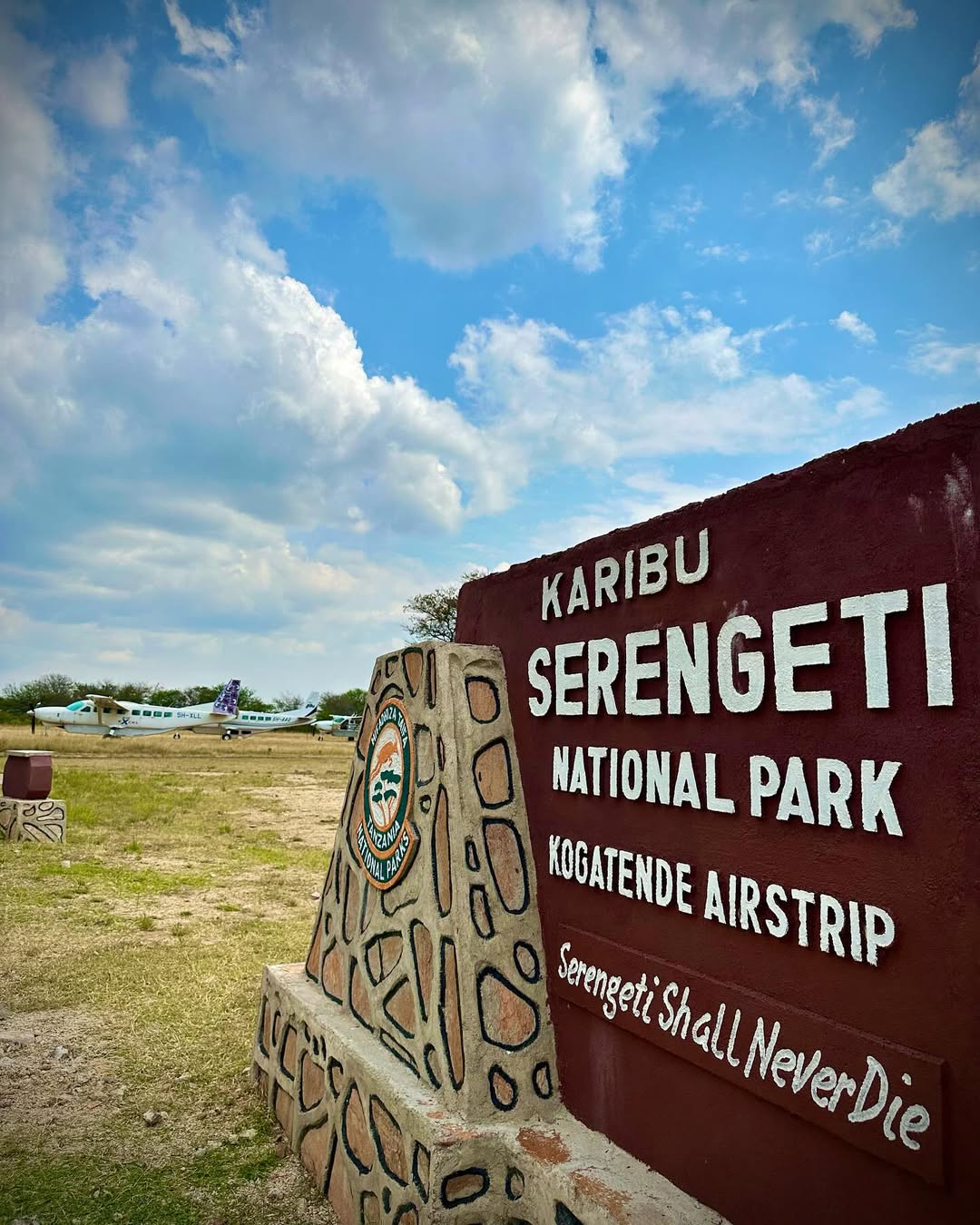
Central Serengeti
Seronera: Accessible Wildlife Every Month
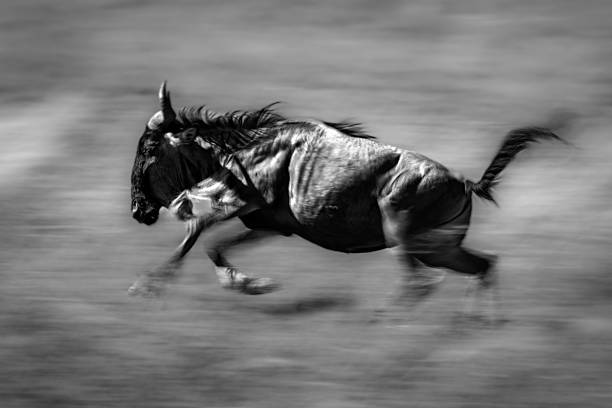
Comparing All Serengeti Sectors?
The Serengeti Safari Manual's sector comparison explains why Central Serengeti works year-round while Northern/Southern are seasonal. Use that to decide if Central fits your itinerary, then return here for lodge selection and wildlife strategies.
You've checked the Migration calendar and your dates don't align with Northern (river crossings) or Southern (calving). Or maybe they do, but you want reliable wildlife backup. Central Serengeti - centered on Seronera - is your answer. Year-round leopards, resident lions, easy access from Arusha, and no seasonal guesswork. Here's how to make it work.
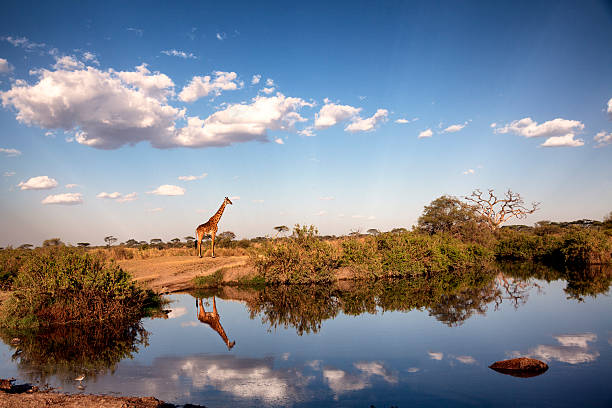
Giraffe in the Seronera, Central Serengeti area of Tanzania
Why Central Serengeti Works Year-Round
Central Serengeti is the only sector that delivers excellent wildlife every single month. Here's why:
Resident wildlife doesn't migrate. While wildebeest follow the rains, lions, leopards, elephants, buffalo, and other species stay put. Central Serengeti has the highest concentration of resident predators in the park.
Kopjes = leopard heaven. The rocky outcrops (kopjes) scattered across Seronera are leopard territory. This sector has the park's best leopard sighting odds, period.
The Migration passes through. Even though Central isn't the Migration's primary destination, herds pass through in April-May (moving north) and November (moving south). You get Migration plus residents.
Easiest access. Central Serengeti is closest to Naabi Hill Gate (main southern entrance). Short drive from Ngorongoro. No fly-in costs required. Works for shorter itineraries (3-4 days total).
Central Serengeti is NOT a consolation prize. It's the reliable choice when you can't time Northern or Southern, or when you're combining sectors. The wildlife density here rivals anywhere else in Africa year-round.
Best Lodges & Camps by Budget
Central Serengeti has the highest concentration of accommodation in the entire park. From ultra-luxury to budget camping, here's the tactical breakdown:
Luxury Lodges ($500-1,500/night)
LUXURY
Four Seasons Safari Lodge
Infinity pool overlooking waterhole. Near Seronera airstrip. Year-round operation. Impeccable service. Best luxury option for families wanting resort amenities plus safari.
$800-1,500/person/night
LUXURY
Singita Sasakwa Lodge
Ultra-luxury in private concession near Central Serengeti. Edwardian manor aesthetic. For those with unlimited budgets wanting the absolute best.
$1,200-2,000/person/night
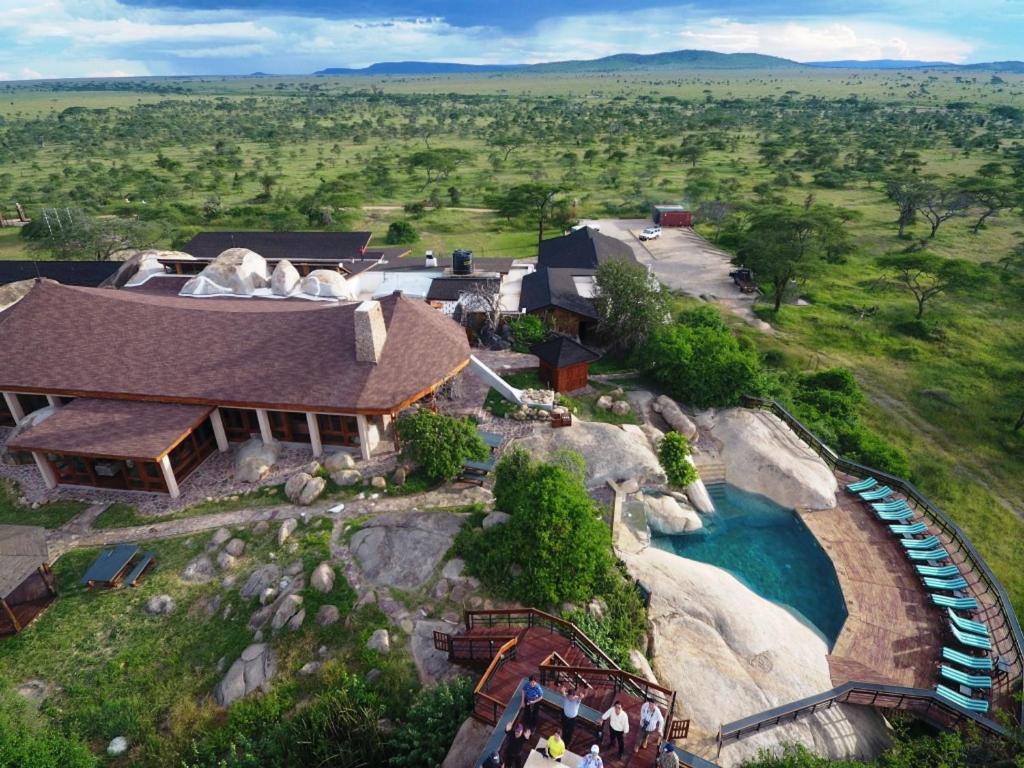
Seronera Wildlife Lodge, Serengeti National Park
Mid-Range Tented Camps ($300-600/night)
MID-RANGE
Serengeti Serena Safari Lodge
Solid mid-range option built into kopje. Good kopje wildlife viewing from lodge itself. Reliable operation. Good value for location and quality.
$350-500/person/night
MID-RANGE
Kubu Kubu Tented Lodge
Comfortable tented camp in Central Seronera. Well-positioned for kopje drives. Good food, friendly staff, excellent guiding. Sweet spot for value.
$300-450/person/night
MID-RANGE
Serengeti Sopa Lodge
Large lodge on kopje with panoramic views. Good for groups and families. Swimming pool. Comfortable but not boutique. Consistent quality.
$300-500/person/night
Budget Options ($30-150/night)
BUDGET
Seronera Public Campsite
Basic camping near Seronera. Pit toilets, no showers, wildlife wanders through camp (exciting/terrifying depending on perspective). Bring all gear. $30/person/night.
~$30/person/night
BUDGET
Seronera Wildlife Lodge
Government-run lodge. Very basic but has beds and bathrooms. Good for extreme budget travelers wanting roof over head. Book through TANAPA.
$80-120/person/night
Complete Serengeti Cost Breakdown?
The Serengeti Safari Manual covers total safari costs including park fees ($83/day), vehicle, guide, meals, and how accommodation costs fit into overall budget. Use that for complete financial planning.
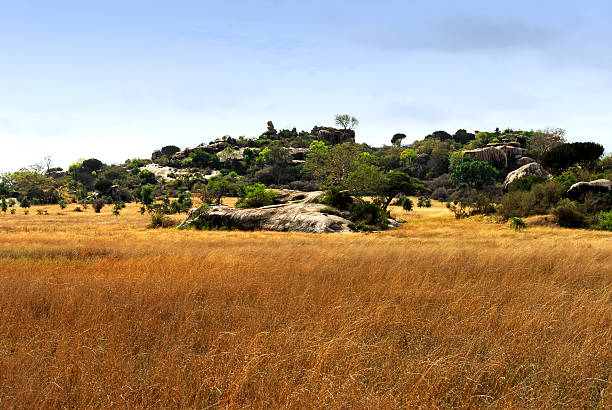
The Kopjes: Where Leopards Live
Kopjes (pronounced "copies") are Central Serengeti's signature feature - rocky granite outcrops rising from flat savanna. They're also where you'll find leopards.
Why leopards love kopjes: Elevated vantage points for spotting prey, shade from heat, hiding spots for kills (they stash prey in rock crevices), and territorial markers. Female leopards with cubs especially favor kopje areas.
Best kopje areas:
Prime Kopje Locations
Seronera Kopjes
Central cluster near Seronera River. Most accessible. Highest vehicle density but also most consistent leopard sightings. Early morning/late afternoon best.
Maasai Kopjes
East of Seronera. Less crowded. Excellent for lions (prides use these kopjes as lookout points). Good kopje network for patient wildlife watchers.
Gol Kopjes
Southeast of Seronera. More remote, fewer vehicles. Cheetahs frequent these kopjes as lookout points. Worth the longer drive for solitude.
Leopard sighting strategy: Ask your guide which kopjes have active leopard territories (guides track this via radio networks). Visit at dawn or dusk when leopards are active. Be patient - leopards are masters of camouflage. Binoculars essential for scanning rock crevices.
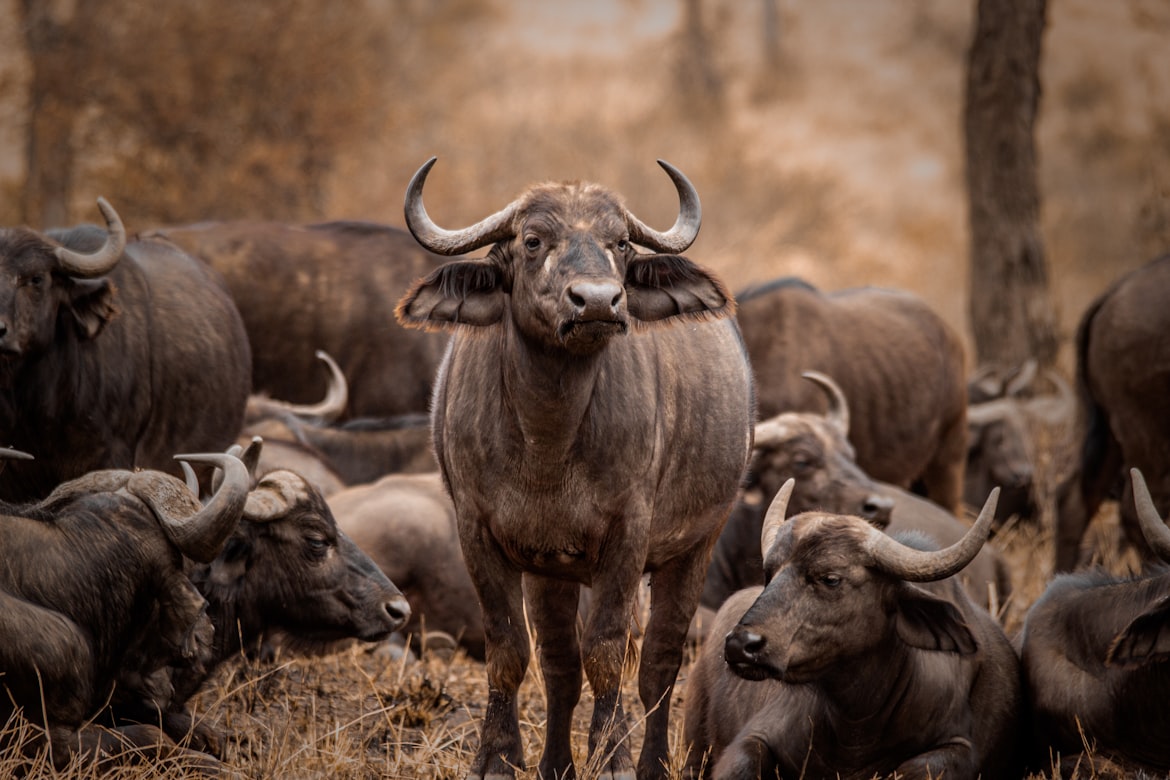
A herd of cattle standing on top of a dry grass field
Year-Round Wildlife Highlights
Lions: Multiple prides in Central Serengeti. Kopje prides, riverine prides, and plains prides. You'll see lions. Question is how many and in what context (hunting, resting, cubs, mating).
Leopards: Best leopard density in the park. Sightings not guaranteed (they're elusive) but odds are excellent, especially early morning kopje drives.
Cheetahs: Open plains surrounding Seronera. Easier to spot than leopards. Often hunt in late afternoon.
Elephants: Large herds, especially near riverine woodlands. Year-round presence.
Buffalo: Massive herds. Plentiful year-round.
Hyenas: Very high hyena density. You'll hear them at night if camping. Frequent daytime sightings.
Hippos & Crocodiles: Seronera River and Retima Hippo Pool. Guaranteed sightings.
📅 When Does Migration Pass Through Central?
Our Month-by-Month Migration Tracker shows Central Serengeti gets Migration herds in April-May (moving north) and November (moving south). If your dates align, you get residents PLUS Migration
Avoiding Crowds: Tactical Strategies
Central Serengeti is the busiest sector year-round. Here's how to minimize vehicle congestion:
Crowd Avoidance Tactics
Early morning drives (6:00-8:00 AM): Fewer vehicles on roads. Wildlife most active. Coolest temperatures. Best photography light.
Late afternoon drives (4:00-6:30 PM): Many lodges do midday returns, so afternoon drives have fewer vehicles early on. Golden hour lighting.
Skip the obvious kopjes: Seronera kopjes get crowded. Ask your guide for less-visited kopje clusters. Slightly longer drives = fewer vehicles.
Avoid peak months at popular lodges: July-August and January-February = highest occupancy. Consider shoulder months (June, September, November, March) for same wildlife with fewer tourists.
Smaller camps over large lodges: Large lodges (100+ rooms) put many vehicles on roads. Smaller tented camps (10-20 tents) mean fewer vehicles from your property.
Off-the-beaten-path routes: Main Seronera circuits get repetitive vehicle traffic. Experienced guides know quieter routes to the same kopjes and river areas.
If you see 10+ vehicles at a sighting, ask your guide to skip it and find something else. Yes, it might be a leopard kill, but sitting in vehicle traffic jam ruins the experience. Central Serengeti has enough wildlife that you'll find your own sightings with patience.
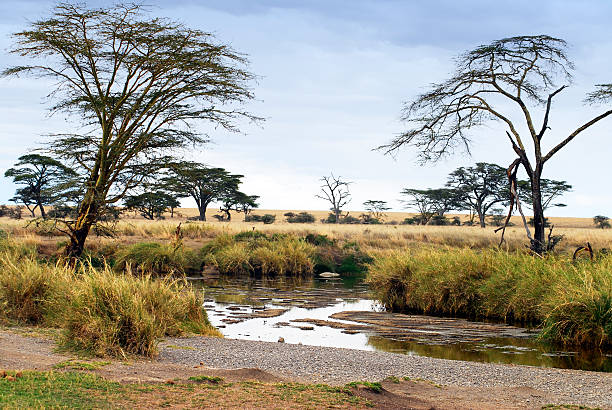
Landscape with a waterhole in the dry season,Serengeti National Park,Tanzania.
When to Visit Central Serengeti
As emphasized in the Serengeti Safari Manual, Central works year-round. But some months are better than others:
Best months (less crowded, great wildlife): June, September, November, March. You get excellent resident wildlife with 20-30% fewer tourists than peak months.
Peak months (busiest, highest prices): July-August (northern Migration focus but Central still busy), January-February (southern calving but people stopover in Central).
Green season (cheapest, empty): April-May. Rain, mud, but lodges discount 30-50% and you'll have the place mostly to yourself. Wildlife is actually excellent - just wetter.
Don't visit Central Serengeti ONLY in April-May or November if you could time Northern (Jul-Sep) or Southern (Jan-Feb) instead. Central is the reliable backup, not the first choice when spectacular seasonal events are available. Use our Migration calendar to check if better timing exists.
How Long to Stay
Minimum: 2 nights (1.5 days of game drives). Enough to see kopjes, do river drive, get solid wildlife exposure.
Ideal: 3 nights (2.5 days). Allows multiple kopje circuits, different times of day, better leopard odds without feeling rushed.
Most travelers combine: 2-3 nights Central + 2 nights Ngorongoro, or 2 nights Central + 3-4 nights Northern/Southern (depending on season).
Quick Tactical Checklist
✅ Book mid-range camps over large lodges for fewer vehicle crowds
✅ Request early morning drives (6 AM starts) for best wildlife + fewer vehicles
✅ Ask guide for less-visited kopjes instead of main Seronera circuit
✅ Visit shoulder months (June, Sept, Nov, March) for value + space
✅ Plan 2-3 nights minimum for multiple kopje attempts
✅ Bring good binoculars for scanning kopjes for leopards
The Bottom Line
Central Serengeti is the reliable choice when seasonal spectacles don't align with your dates, or when you want guaranteed excellent wildlife without seasonal gambling. Leopards, lions, and resident wildlife deliver year-round.
It's also the accessible choice, no fly-in costs, shortest drive from Ngorongoro, works for 3-4 day quick safaris.
The trade-off is crowds. Central is the busiest sector. But with smart timing (early drives, shoulder months, smaller camps), you can minimize vehicle congestion and maximize kopje wildlife.
Central Serengeti won't give you river crossings or calving season drama. But it will give you leopards on kopjes, lion prides, and classic savanna landscapes - every month of the year.
Planning Your Complete Serengeti Safari
You know Central Serengeti works year-round. Now see how it combines with other sectors, costs, and complete logistics.