Serengeti Safari: The Only Guide You Need
Where to be, when to be there, and how not to waste your money staring at empty grass.

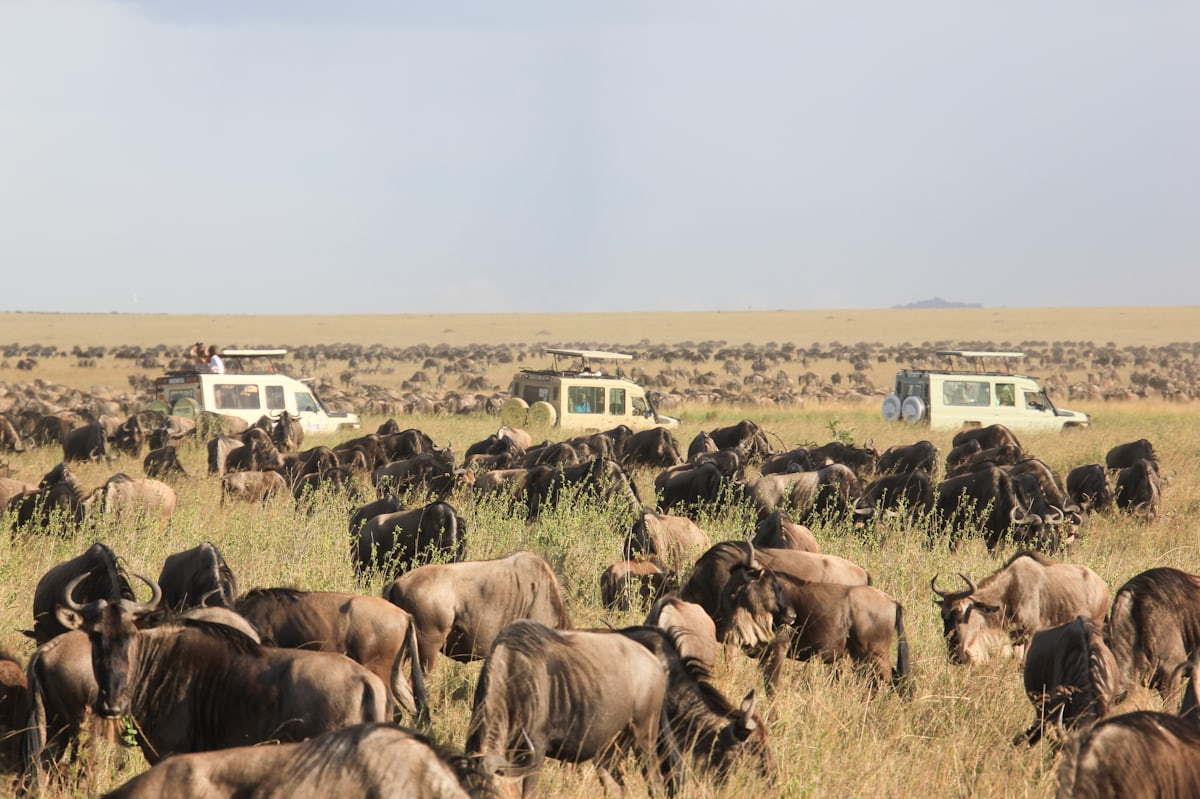
The Serengeti is too big to just "wing it." At 14,763 square kilometers (5,700 square miles), it's roughly the size of Connecticut. If you end up in the south when the herds are in the north, you'll spend your entire budget looking at empty grass and wondering why everyone else's photos show thousands of wildebeest while yours show only acacia trees. This guide focuses on the "where" and "when" so you don't waste time - or money.
The Migration Map for 2026
The Great Migration is not a single event - it's a constant circular movement of roughly 1.5 million wildebeest, 200,000 zebras, and 350,000 gazelles following the rains and fresh grass. They're always moving, which means timing is everything.
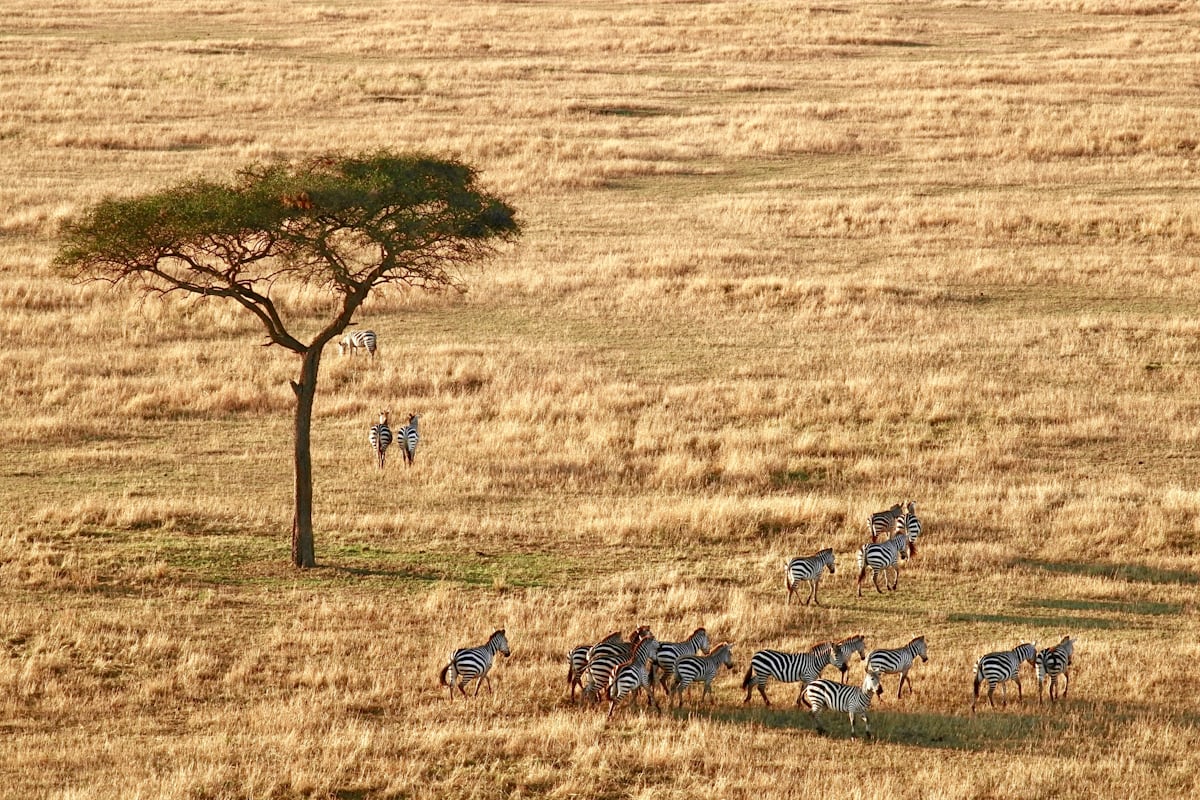
The biggest mistake first-timers make: Booking a Serengeti safari without considering where the Migration will be during their dates. A February trip to the northern Serengeti will show you beautiful landscapes and resident wildlife - but the Migration is 300 kilometers away in the south. Plan wrong, miss the spectacle.
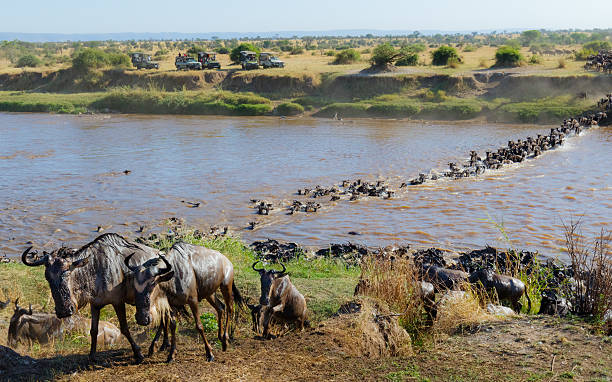
2026 Migration Calendar: Where to Be Each Month
January
Southern Serengeti / Ndutu
Calving season begins. The herds concentrate in the southern plains and Ndutu area. Thousands of calves born daily. Predators everywhere - lions, cheetahs, hyenas. This is peak predator action season.
February
Southern Serengeti / Ndutu
Peak calving. If you want to see baby wildebeest wobbling on new legs and predators hunting, this is your month. The southern plains are carpeted with animals. Dramatic and intense.
March
Southern Serengeti
Calving winds down. Herds still in south but starting to become restless as grass depletes. Green season rains begin. Great for photography with dramatic skies.
April
Central Serengeti
Long rains, herds move north. Migration begins shifting toward central areas. Some camps close. Good for budget travelers willing to deal with muddy roads and afternoon storms.
May
Central / Western Corridor
Transitional month. Herds spread across central and western areas, heading toward the Grumeti River. Quietest month for tourism. Landscape lush and green.
June
Western Corridor
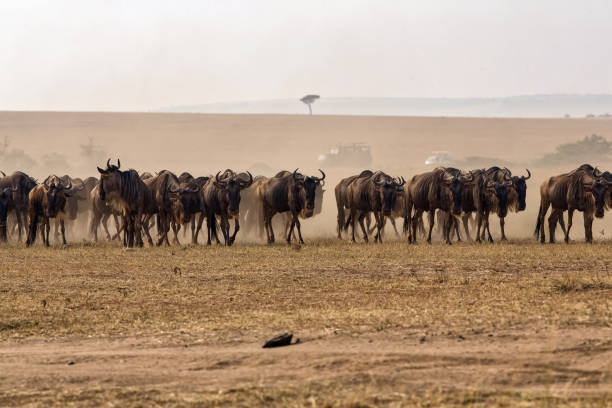
Grumeti River crossings begin. The herds reach the Western Corridor and start crossing the Grumeti River. Giant Nile crocodiles wait. Not as dramatic as Mara crossings but impressive.
July
Northern Serengeti
Migration reaches the north. Herds arrive at Kogatende area. Early Mara River crossings start. Peak season begins - expect crowds and high prices.
August
Northern Serengeti
Peak Mara River crossings. This is what everyone comes for - thousands of wildebeest plunging into crocodile-infested waters. Chaotic, dramatic, unforgettable. Book 6+ months ahead.
September
Northern Serengeti
Mara crossings continue. Herds move back and forth across the Mara River multiple times. Still excellent for crossings but slightly less crowded than August.
PRO TIP
Weather can shift Migration timing by 2-4 weeks. These patterns are based on typical years. Unusually early or late rains can push the herds ahead or delay them. Work with experienced safari operators who track real-time movements and can adjust your itinerary if needed.
October
Northern / Central Serengeti
Migration begins moving south. Herds start drifting back toward central Serengeti. Short rains begin. Good value month - fewer tourists, decent wildlife.
November
Central / Eastern Serengeti
Short rains, herds moving south. Migration spreads across central and eastern areas heading back toward the southern plains. Shoulder season with better prices.
December
Central / Southern Serengeti
Return to the south. Herds arrive back in southern Serengeti as rains bring fresh grass. Calving season approaches again. The cycle continues.
Serengeti by the Numbers
14,763 Square Kilometers
1.5M Wildebeest
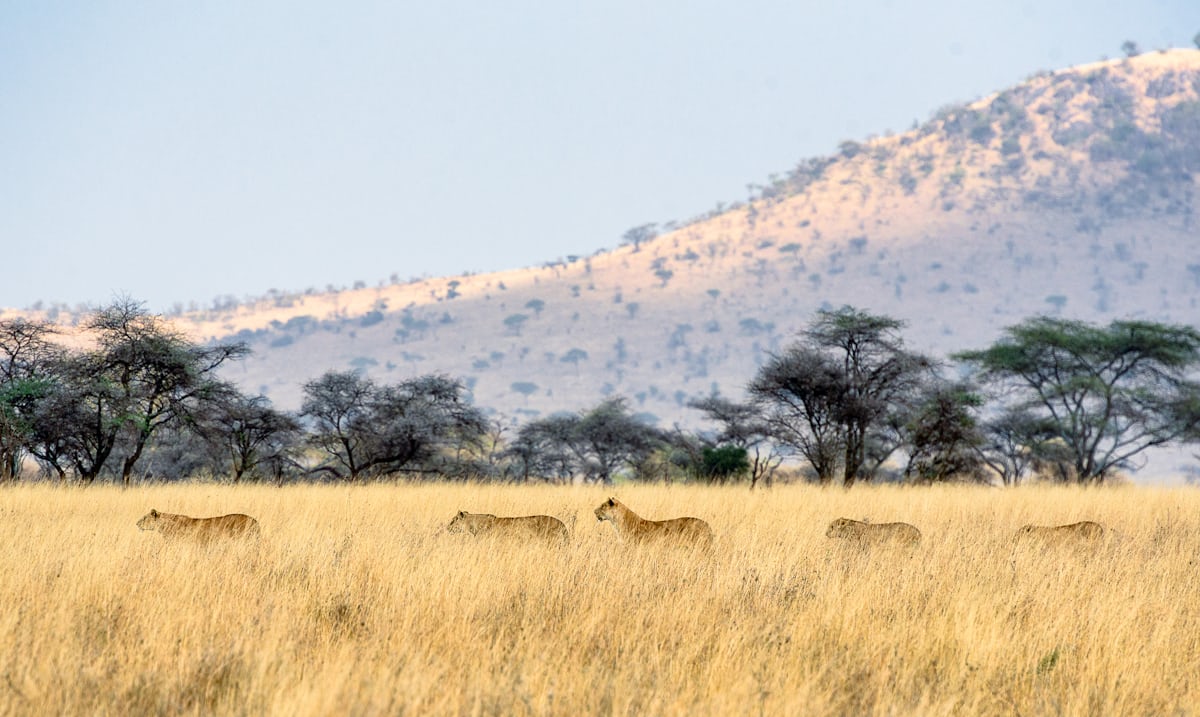
3,000+ Lions
500+ Bird Species
Year-round Resident Wildlife
Choosing the Right Sector
The Serengeti is divided into distinct sectors, each with different ecosystems, wildlife patterns, and vibes. Where you stay matters as much as when you visit.
Migration Timing: Apr-May, Nov-Dec
Resident Wildlife: Excellent Year-Round
Tourist Density: High
Accessibility: Easy
Why Choose Central:
Best for first-timers or short trips (2-3 days)
Excellent year-round Big Five sightings
Dense leopard and lion populations
Most lodges and camps concentrated here
Shortest drive from park entrance
Kopjes (rock outcrops) create stunning landscapes
The Trade-offs:
Busiest part of the park - expect traffic jams at big sightings
Less wild, more "managed" feeling
Roads heavily used and can be crowded
If Migration isn't here, you'll miss it
Northern Serengeti (Kogatende)
Migration Timing: Jul-Oct
Mara River Crossings: Jul-Sep Peak
Tourist Density: Medium-High (Peak Season)
Accessibility: Remote (Fly-in Recommended)
Why Choose Northern:
THE place for Mara River crossings (July-Sept)
More remote and wild than Central
Beautiful hilly, green landscapes
Excellent predator sightings
Borders Kenya's Maasai Mara for extended ecosystem
The Trade-offs:
Expensive to reach (fly-in adds $200-400 per person)
Long, rough drive if coming by road (6+ hours from Seronera)
Fewer camp options than Central
Outside Jul-Oct, wildlife thins out significantly
Crossings are unpredictable - herds don't follow schedules
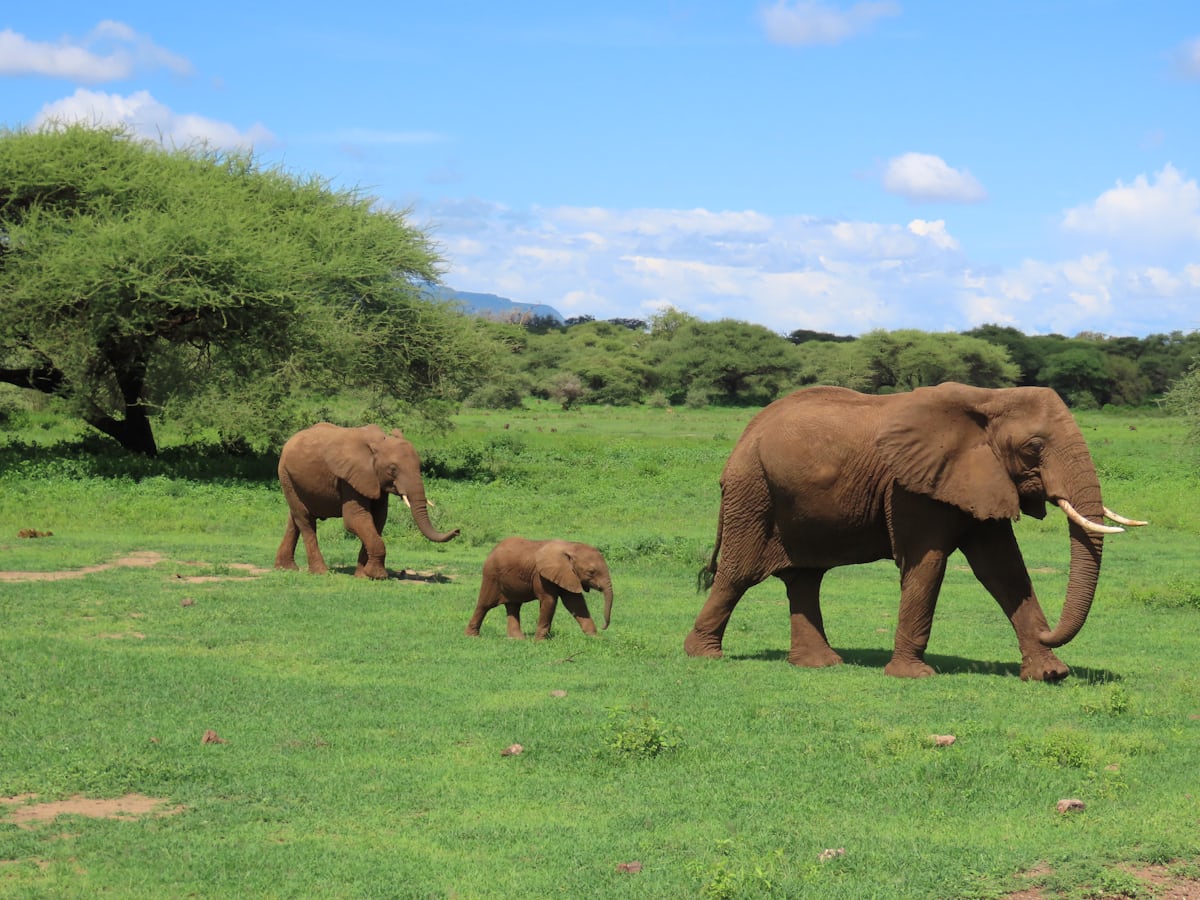
Western Corridor (Grumeti)
Migration Timing: May-July
Grumeti Crossings: Jun-Jul
Tourist Density: Low-Medium
Accessibility: Moderate
Why Choose Western:
Giant Nile crocodiles (some 6+ meters long)
Less crowded than North or Central
Diverse habitat (woodland, riverine forest, plains)
Good resident wildlife even without Migration
Excellent for photographers - varied landscapes
The Trade-offs:
Grumeti crossings less dramatic than Mara crossings
Fewer crossings happen (smaller river)
Limited accommodation options
Can feel quiet outside migration season
Southern Serengeti (Ndutu)
Migration Timing: Dec-Mar
Calving Season: Jan-Feb Peak
Tourist Density: Medium
Accessibility: Easy from Ngorongoro
Why Choose Southern:
Calving season = baby animals and intense predator action
Open short-grass plains - easy wildlife spotting
Borders Ngorongoro Conservation Area
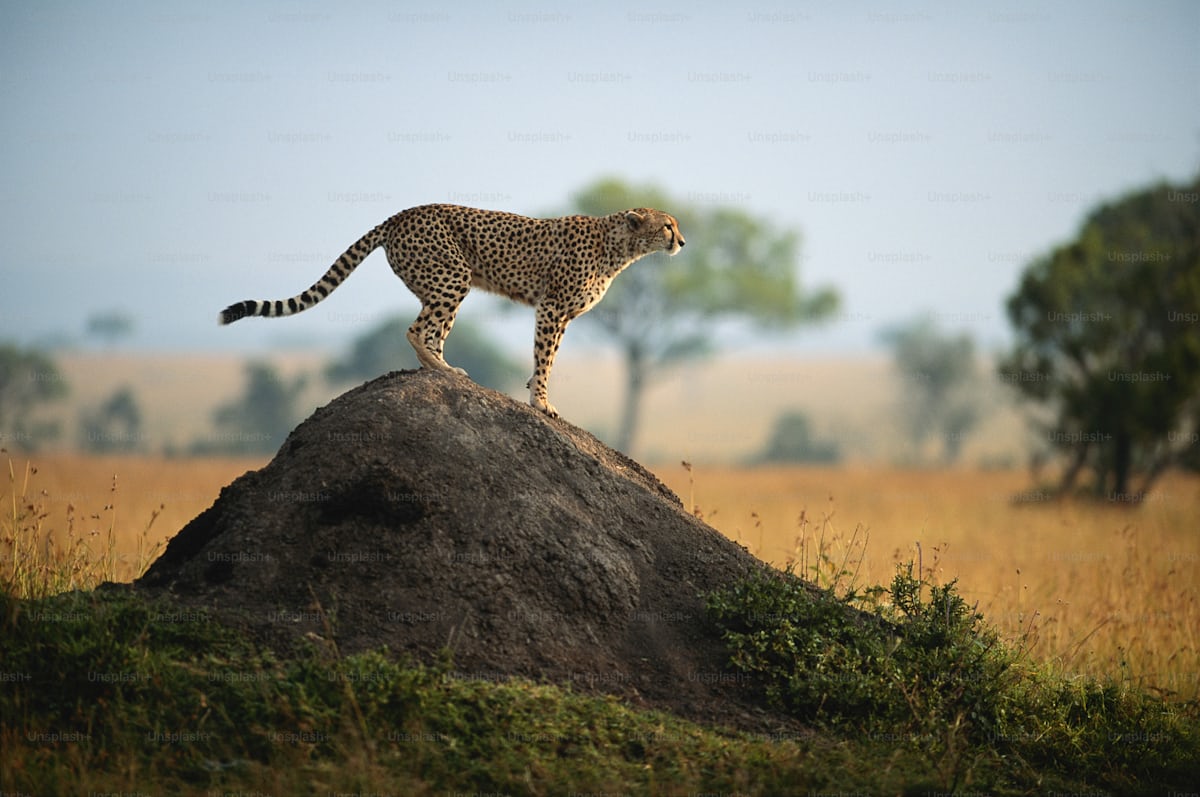
Cheetahs abundant (love open plains)
Dramatic wide-angle photography opportunities
The Trade-offs:
Green season (Feb-Apr) means rain and mud
Some camps close in rainy season
Can get hot in Jan-Feb
Fewer trees/shade for midday breaks
Can't decide between sectors? If you have 5+ days in the Serengeti, consider splitting your time between two sectors. Example: 3 nights in Central Serengeti (guaranteed wildlife) + 2 nights in Northern Serengeti (chase the Migration). This gives you reliability plus the chance for the spectacular crossing moments.
How to Choose a Camp
Where you sleep matters almost as much as where you spend your game drives. The Serengeti offers two fundamentally different accommodation strategies, each with distinct advantages.
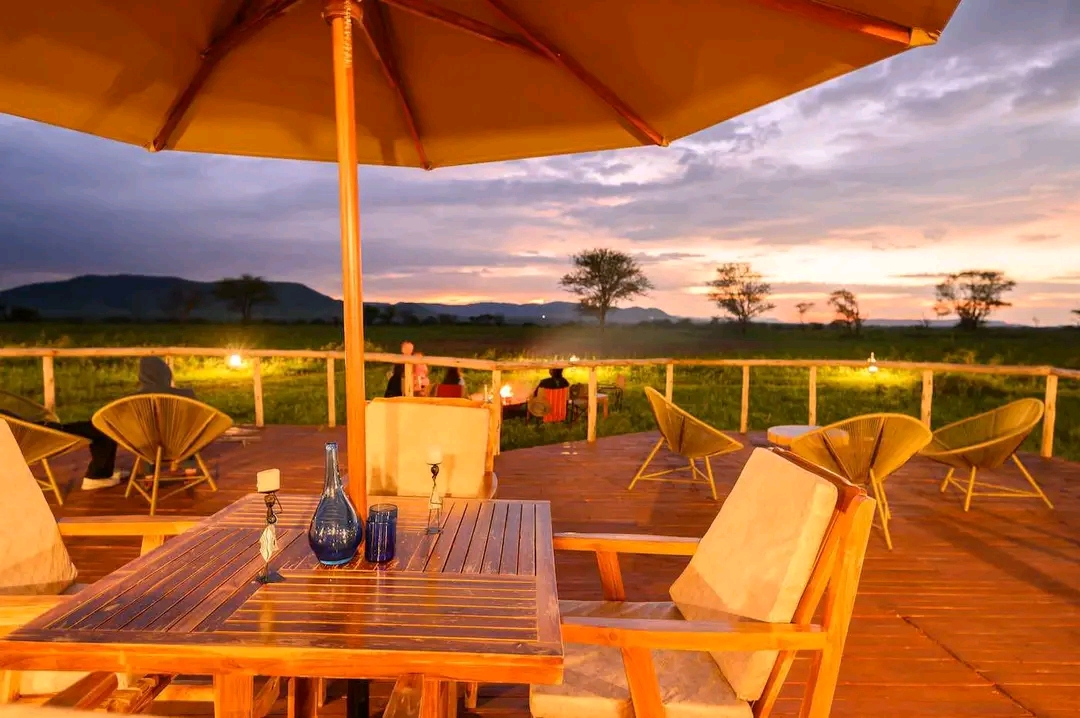
Permanent Lodges vs Mobile Tented Camps
Permanent Lodges
What they are: Fixed structures (some luxury, some mid-range) built in specific locations. Solid walls, reliable electricity, often swimming pools, restaurants with varied menus.
Pros:
More luxury and amenities (AC, Wi-Fi, pools)
Predictable quality and service
Better for families with young kids
Good if you're nervous about canvas tents
Reliable power for charging camera batteries
Cons:
Fixed location means animals might not be nearby
Less intimate, more resort-like
Can't follow the Migration - you hope it comes to you
Often farther from prime game viewing areas
Best for: Families, first-timers wanting comfort, travelers who prioritize amenities over adventure, longer stays (3+ nights) where you have time to explore from a base.
Mobile Tented Camps
What they are: Canvas tent camps that literally pack up and move locations twice a year to follow the Migration. Not basic camping - these are comfortable with real beds, en-suite bathrooms, and chef- prepared meals.
Pros:
Positioned exactly where the Migration is
Wake up to wildebeest 50 meters from your tent
More authentic "Out of Africa" safari experience
Smaller, more intimate (usually 6-12 tents)
You hear wildlife at night (thrilling!)
Better for photographers - you're in the action
Cons:
Canvas walls (you hear everything - hyenas, lions)
Limited electricity (solar power, charging windows)
Simpler amenities (no pools, smaller menus)
Not ideal for very young children or nervous travelers
Some find it "too close" to wildlife
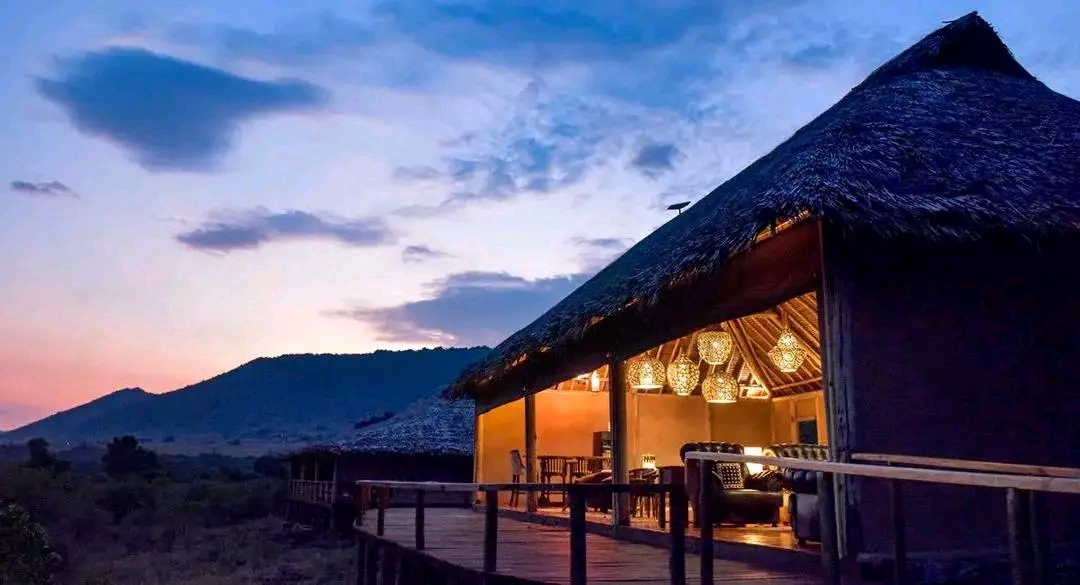
The smart strategy: Mobile camps offer the best Migration experience, hands down. If you're visiting during peak Migration months (Jan-Feb for calving, Jul-Sep for crossings), book a mobile camp positioned in the right sector. They literally follow the herds. Permanent lodges work well for Central Serengeti year-round or as part of a multi-park itinerary where you're not exclusively chasing the Migration.
Mobile camp booking timeline: The best mobile camps (Nomad, Asilia, Ubuntu, etc.) fill up 6-12 months ahead for peak season. If you're planning a July or August trip and want a mobile camp in the northern Serengeti, start looking in January-February. Not joking. They're that popular.
What You'll Actually See (Setting Expectations)
The Serengeti delivers, but let's be realistic about what "seeing the Migration" actually means:
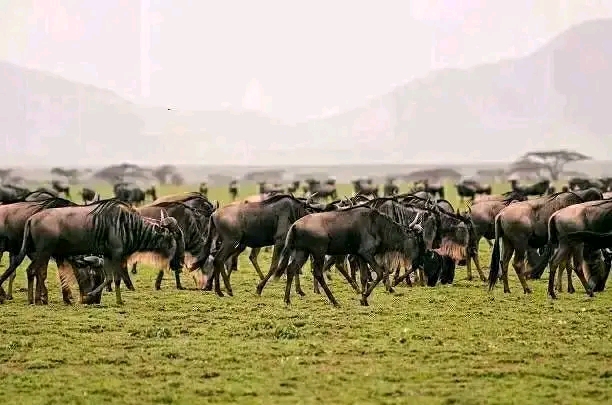
The Migration is not a parade. It's not thousands of wildebeest marching in formation past your vehicle. It's hundreds of thousands of animals scattered across vast landscapes, sometimes packed densely, sometimes spread thin. Some days you'll see endless herds stretching to the horizon. Other days you'll see small groups.
River crossings are unpredictable. The wildebeest don't check a schedule. They might cross three times in one morning, or they might stand on the riverbank for six hours deciding whether to jump. Patience is essential. Some travelers sit watching a crossing point for 4-5 hours. Others get lucky in 20 minutes.
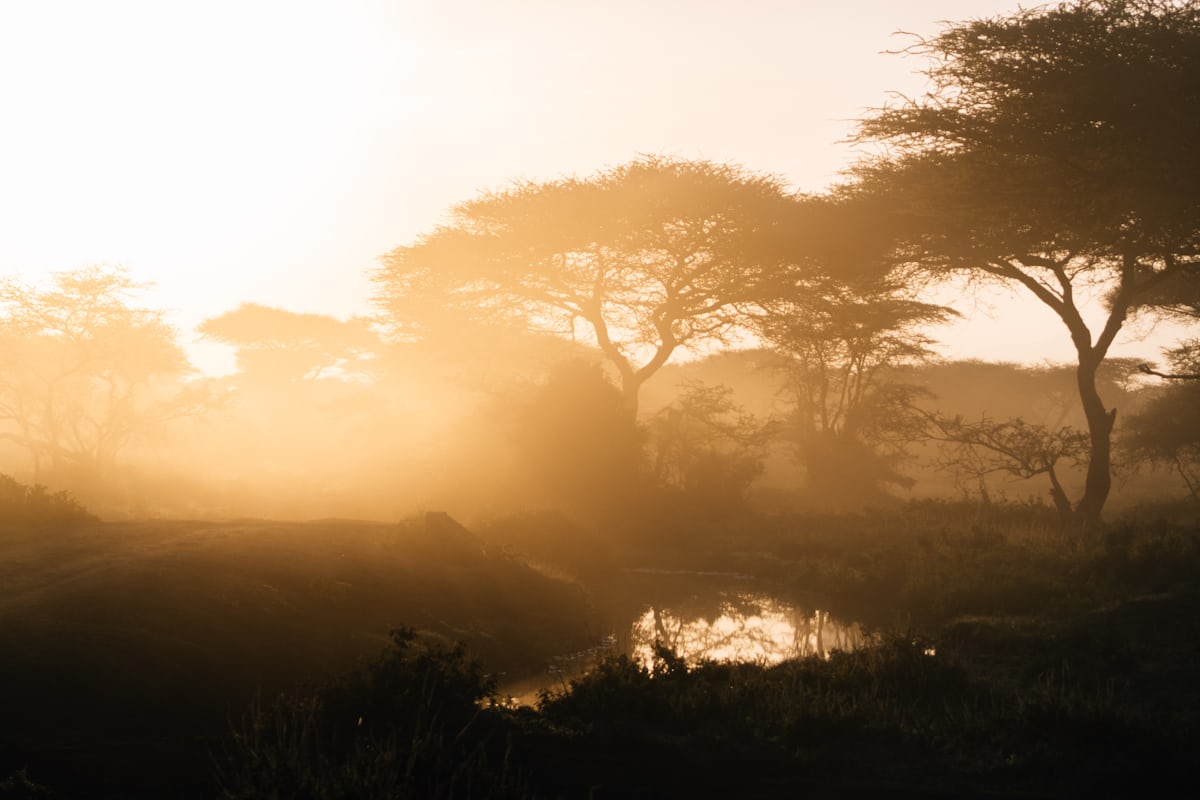
Weather affects everything. Dust storms can reduce visibility. Afternoon rains can make roads temporarily impassable. Early morning mist creates atmospheric photography but obscures distant animals. This is wild Africa, not a theme park.
“The Serengeti doesn't owe you anything. It doesn't perform on demand. But when it delivers, when you watch a thousand wildebeest plunge into a river, or a cheetah sprint across open plains, or a lion pride take down a buffalo—you'll understand why people come back year after year.”
Even if you "miss" the big moments, the Serengeti is spectacular. Resident wildlife is extraordinary year-round. You'll see lions, leopards, elephants, giraffes, buffalo, and countless other species even without the Migration. The landscapes alone - endless plains, dramatic kopjes, golden hour light - justify the trip.
Practical Bits: What You Need to Know
How Long Should You Stay?
2 days minimum: Enough to get a taste, but you'll wish you had more time. Basically one full day of game drives.
3-4 days ideal: Allows for thorough exploration of one sector, multiple game drives, better chances of witnessing big moments.
5+ days for enthusiasts: Split time between sectors, morning and evening drives, relaxed pace without feeling rushed.
Drive Times Between Sectors
Central to Northern: 4-6 hours (rough dirt roads, scenic but bumpy)
Central to Western: 2-3 hours (easier drive)
Ngorongoro to Southern Serengeti: 2-3 hours (via Ndutu gate)
Flying between sectors: Light aircraft flights connect different Serengeti airstrips. Costs $150-300 per person per flight, saves 4-6 hours of driving. Worth it if you're splitting time between distant sectors or have limited days.
Park Fees (2026)
Adult (foreign non-resident): ~$83 USD per person per day (includes 18% VAT)
Child (5-15 years): ~$28 USD per day
Vehicle: ~$40 USD per vehicle per day
These fees are collected at park gates. Safari operators include them in package costs, but always verify what's included vs. additional.
What to Pack for the Serengeti
Neutral clothing (khaki, olive, brown—no bright colors)
Layers (mornings cold, midday hot, evenings cool)
Binoculars (essential—animals aren't always close)
Camera with good zoom (200mm+ telephoto lens recommended)
Dust protection (ziplock bags for electronics, lens wipes)
Sunscreen, hat, sunglasses (sun is intense on open plains)
Headlamp or flashlight (camps have limited lighting at night)
The Honest Verdict
Is the Serengeti worth the hype? Absolutely. Without question. Yes.
But it requires planning. You can't just show up and expect magic. Know where the Migration will be during your dates. Choose the right sector for your priorities. Book camps that position you for success. Allow enough days to truly experience it (3-4 minimum, 5+ ideal).
Do this right, and the Serengeti delivers moments that photographs can't capture and words struggle to describe. The sound of a million hooves thundering across plains. The sight of predators hunting in golden-hour light. The feeling of sitting in a vehicle at sunrise, surrounded by wildlife in every direction, knowing you're witnessing something primordial and profound.
Do it wrong - wrong sector, wrong timing, not enough days - and you'll come home with nice photos but wonder what all the fuss was about. The Serengeti rewards preparation. This guide gives you that preparation.
Done with the Dust? Time for the Beach
A week in the Serengeti means you're covered in red dust, waking up at 5 AM, and probably exhausted (in the best way). Most travelers fly straight from the bush to Zanzibar to recover. White sand beaches, turquoise water, and zero alarm clocks sound pretty good right about now.
Find Your Zanzibar Beach Escape
The Serengeti is too big to wing it. Now you have the map. Use it wisely.
See you on the endless plains.