Serengeti Calving Season
January-February in the Southern Plains: Birth, Survival & Predator Action

Planning Your Complete Serengeti Safari?
This guide focuses on calving season in January-February. For the full Migration calendar, all sectors, year-round planning, and complete safari logistics, start with our Serengeti Safari Manual - the master guide that covers every season and every corner of the Serengeti.
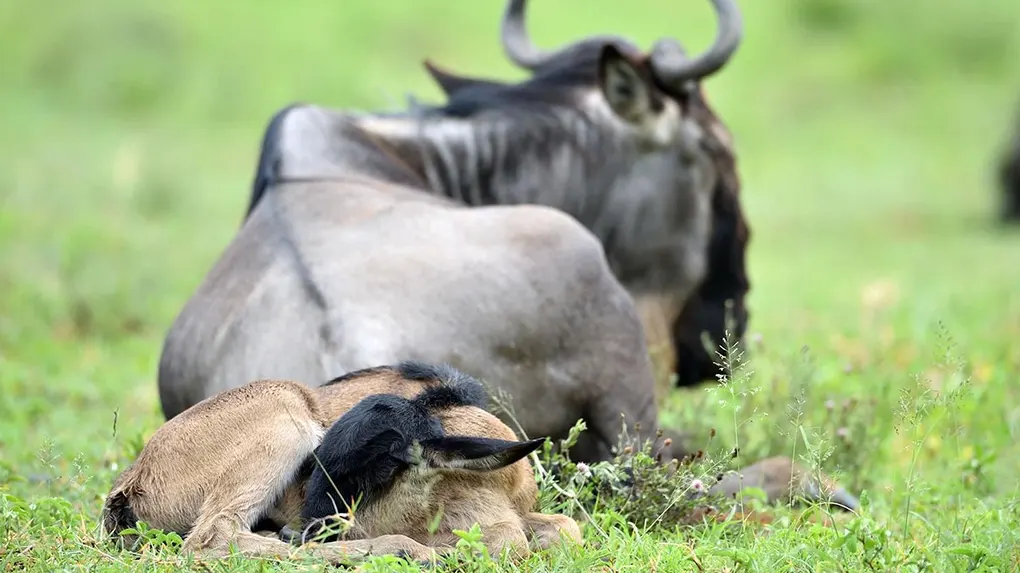
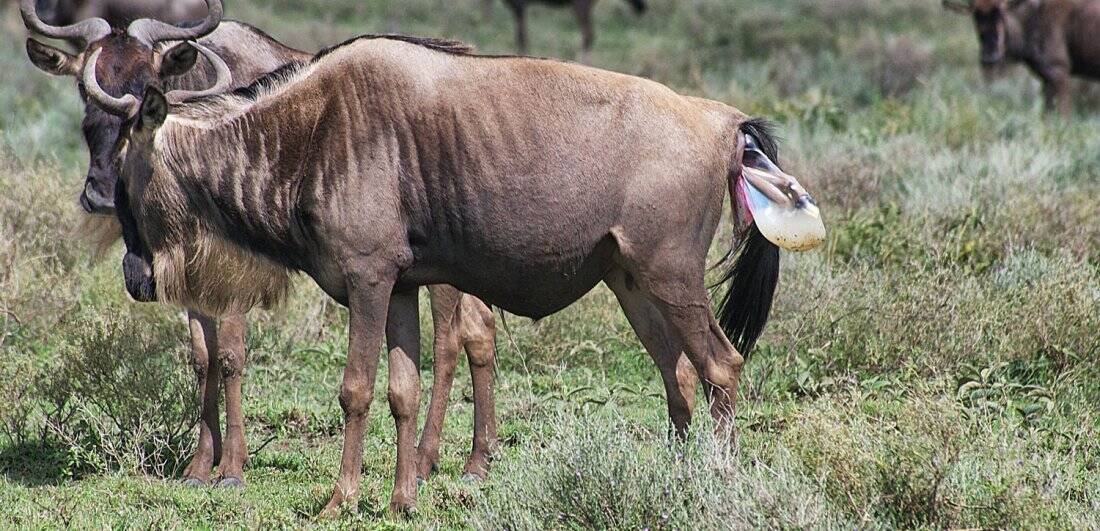
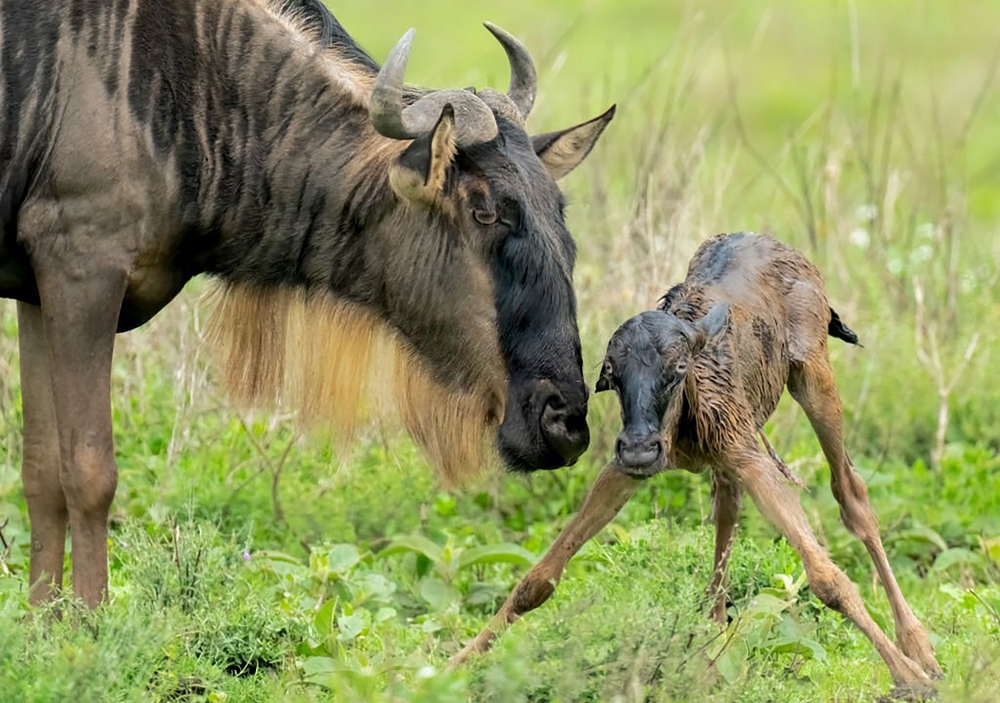
In a span of just three weeks, roughly 500,000 wildebeest calves are born on the southern Serengeti plains. That's 8,000 babies per day. Every minute, another calf takes its first wobbly steps. And every minute, predators - lions, cheetahs, hyenas, leopards - are hunting. This is calving season, and it's the most intense predator-prey spectacle the Serengeti offers all year.
500,000 Calves Born
8,000 Births Per Day
3 Weeks Peak Window
100% Predator Activity
Why Calving Season is Special
While most people think of the Serengeti Migration in terms of river crossings (July-September), calving season offers something arguably more dramatic: the complete circle of life compressed into a few explosive weeks.
What makes it unique:
Unprecedented predator action: With thousands of vulnerable newborns scattered across open plains, every predator in the region converges. You'll see more kills in one day than some people see in a week during other seasons.
Constant drama: River crossings are spectacular but unpredictable (herds might cross, might not). Calving season delivers non-stop action from sunrise to sunset.
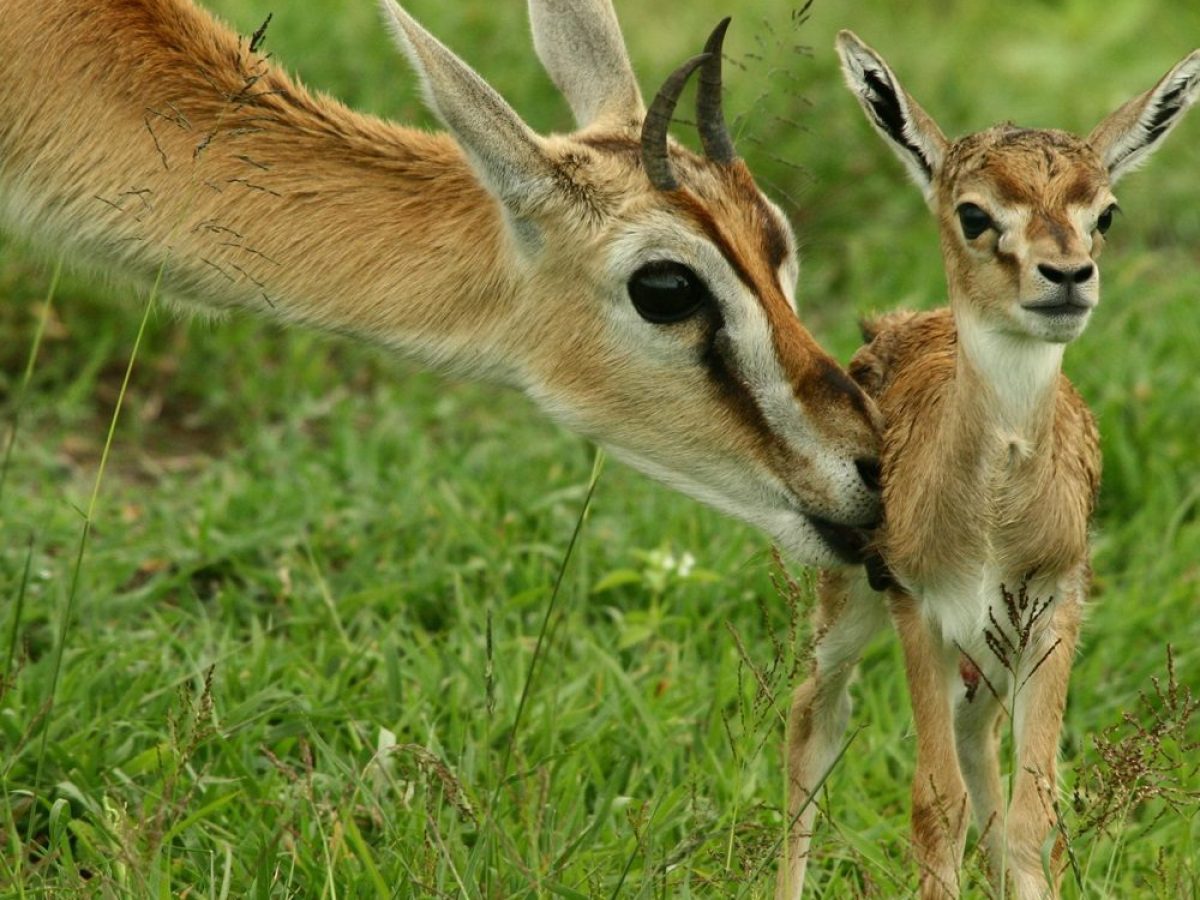
Baby animals everywhere: Not just wildebeest - zebra foals, gazelle fawns, and other species also time births to this period. The cuteness factor is off the charts.
Photography gold: Newborns learning to walk, mothers protecting calves, predators hunting, the golden light of southern Serengeti plains - photographers consistently rank calving season as the best time for compelling wildlife shots.
Fewer tourists: Calving season is peak season, but it's less crowded than July-August river crossings. You'll have more space and fewer vehicles.
“River crossings are the Serengeti's blockbuster movie moment. Calving season is the entire season of the best nature documentary ever made, playing out live in front of you every single day.”
When Exactly Does Calving Happen?
Calving season timing is remarkably consistent, driven by the short rains (November-December) which bring fresh grass to the southern plains. Wildebeest instinctively time births to when grass is greenest and most nutritious.
Calving Season Timeline 2026
Late December - Early January
Pre-Calving: Herds arrive in southern Serengeti and Ndutu area. Pregnant females are visibly heavy. A few early births start happening. Predators begin gathering in anticipation.
Mid-January to Mid-February
PEAK CALVING: This is it - the main event. Thousands of births daily. The southern plains are carpeted with wildebeest as far as you can see. Predator activity at maximum. This three-week window is what you're aiming for.
Late February - Early March
Post-Calving: Most births completed. Calves are gaining strength. Herds begin organizing for the eventual northern migration. Still excellent wildlife viewing but the intense birthing frenzy has passed.
Precise timing varies by 1-2 weeks depending on rainfall. Early rains = early calving. Late rains = delayed calving. This is nature, not a scheduled event. However, the window is reliably mid-January through mid-February, making it one of the Migration's most predictable moments.
Where to Be: Southern Serengeti & Ndutu
Calving happens in two overlapping areas:
Southern Serengeti Plains: The open short-grass plains south of Seronera. Endless horizons, golden grass, scattered acacia trees. Classic Serengeti landscape.
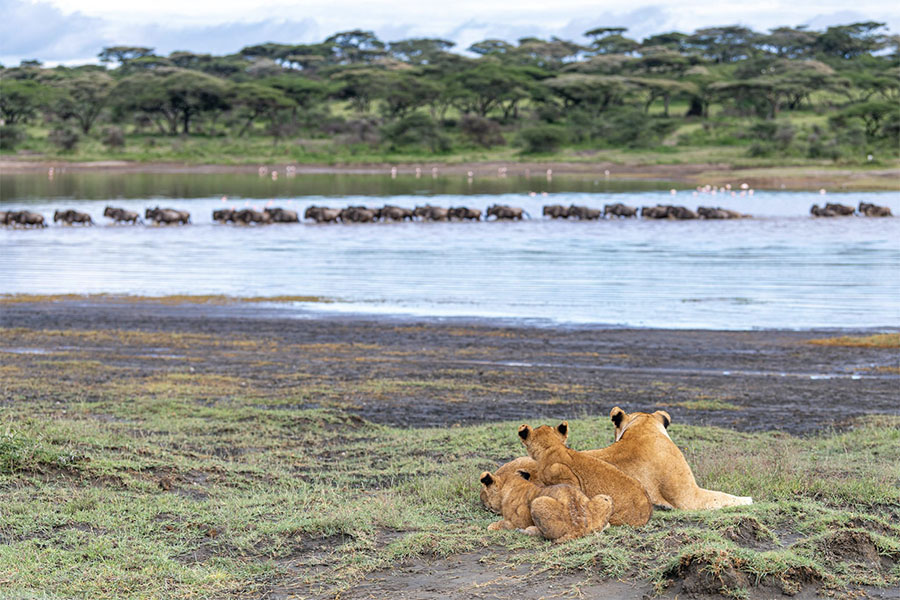
Ndutu Area: Technically part of the Ngorongoro Conservation Area, not Serengeti National Park, but it borders the southern Serengeti and the Migration doesn't care about park boundaries. Ndutu is where many mobile camps position themselves because it offers:
Perfect calving habitat (short nutritious grass)
Permanent water sources (Lake Ndutu, Lake Masek)
Slightly different regulations (off-road driving permitted in Ndutu, not in Serengeti proper)
Strategic positioning between southern plains and wooded areas
Ndutu vs Southern Serengeti - which is better? Both deliver. If forced to choose, Ndutu often has slightly higher concentrations due to the lakes attracting herds. But honestly, position yourself anywhere in the southern plains during calving season and you'll find thousands of wildebeest. The key is being in the region, not obsessing over the exact GPS coordinates.
The Predators: Why This Season is Hunting Paradise
Calving season transforms the southern Serengeti into the world's most intense hunting ground. Here's what you'll see:
Lions
Lion prides gorge themselves. With easy prey everywhere, you'll witness multiple kills. Lionesses hunt cooperatively, targeting newborns and weak calves. Cubs practice hunting techniques. Pride dynamics on full display.
Cheetahs
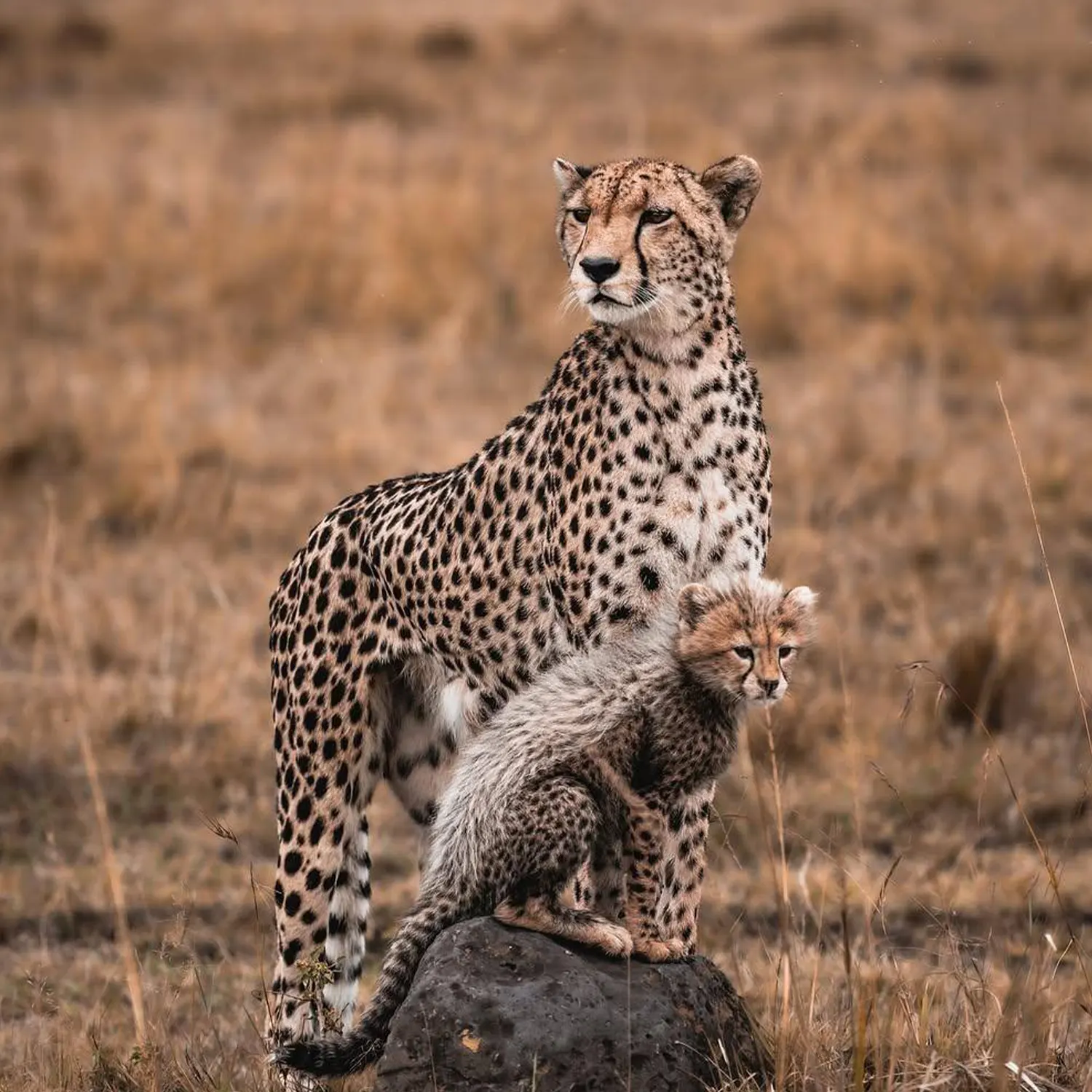
This is cheetah heaven. Open plains suit their hunting style perfectly. Mothers teach cubs to hunt. You'll see sprints, takedowns, and the full predator-prey chase. Cheetah sightings peak during calving season.
Hyenas
Hyena clans follow the herds closely. They're both hunters and scavengers - you'll see them making their own kills and stealing from other predators. Their whooping calls echo across the plains nightly.
Leopards
Leopards are harder to spot but they're there, especially in areas with scattered acacia trees. They hunt calves and smaller prey. Patient observers get rewarded with sightings.
Jackals & Others
Jackals, bat-eared foxes, and even eagles take advantage. Afterbirth attracts scavengers. The entire ecosystem is feeding on this seasonal abundance.
You will see death. A lot of it. This isn't a petting zoo. Newborn calves get taken by predators constantly - it's estimated 40% don't survive their first few weeks. If witnessing kills disturbs you, calving season might not be your season. But if you want to understand nature's raw reality, there's no better classroom.
Where to Stay: Camp Positioning Strategy
Camp location during calving season is critical. Mobile tented camps that follow the herds are your best bet. These camps literally pack up and relocate to position themselves where calving is happening.
Best Camp Options for Calving Season
Mobile Tented Camps (Highly Recommended)
Examples: Nomad Tanzania's Serengeti Safari Camp, Ubuntu Migration Camp, Olakira Migration Camp, &Beyond Serengeti Under Canvas
Why they win: Positioned exactly where calving is happening. Wake up to thousands of wildebeest 50 meters from your tent. Guides know the local concentrations. You're in the action from sunrise to sunset.
Cost: $400-800 per person per night
Book ahead: 4-6 months for peak dates
Ndutu Lodge & Ndutu Wildlands Camp
Type: Permanent camps in Ndutu area
Why they work: Fixed location but positioned strategically near Lake Ndutu. Reliable access to calving grounds. More affordable than mobile camps. Good for families wanting solid walls and amenities.
Cost: $300-400 per person per night
Trade-off: Less flexible positioning than mobile camps
Public & Special Campsites
For: Budget travelers with camping gear
Reality: Public campsites exist in southern Serengeti but facilities are very basic (pit toilets, no showers). You'll need full camping kit and ideally a guide who knows where herds are concentrated.
Cost: ~$30 per person per night (park camping fees)
Best for: Adventurous budget travelers, not first-time safari-goers
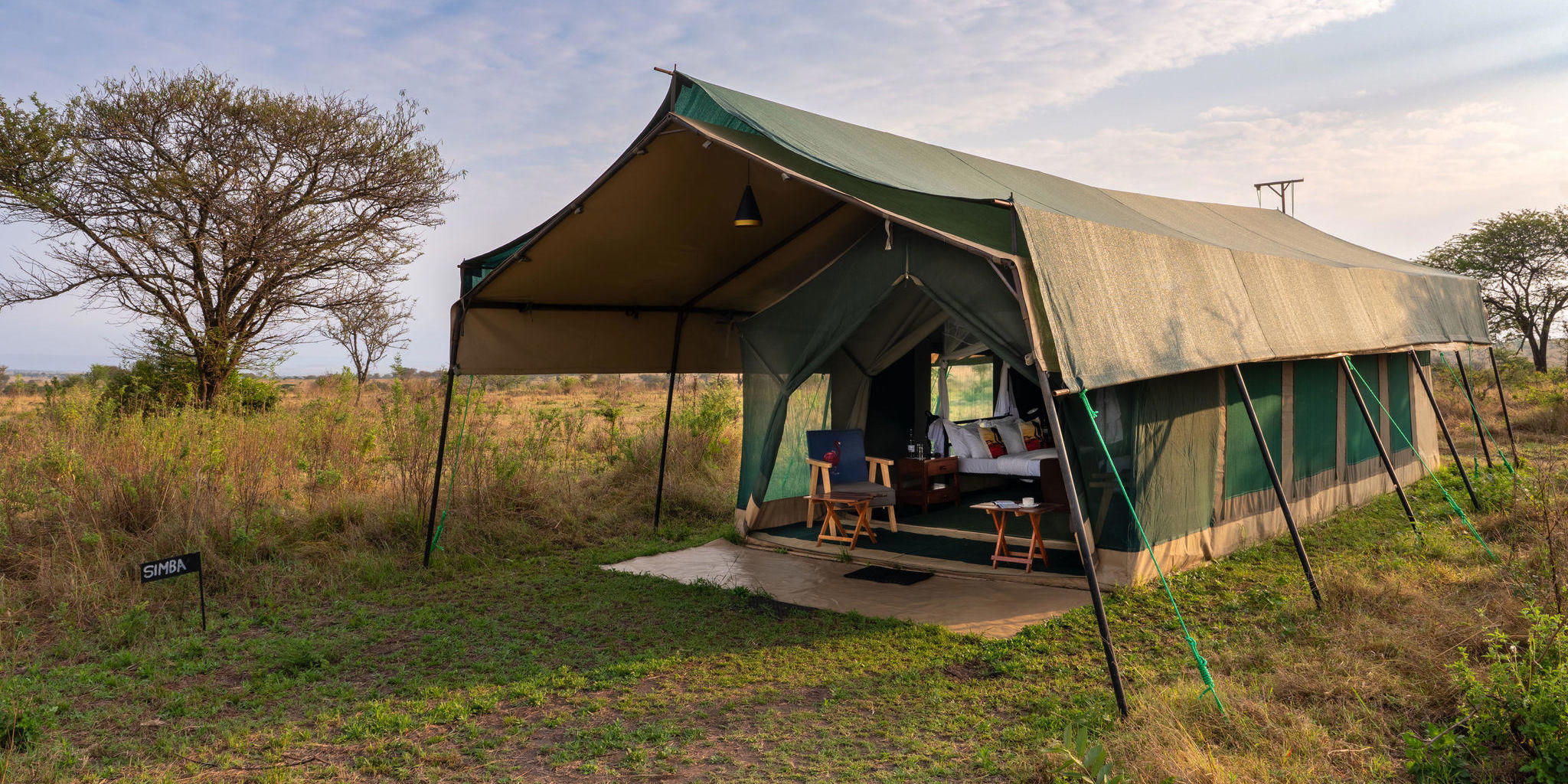
If budget allows, splurge on a mobile camp for calving season. This is the one time when mobile camp positioning truly maximizes your experience. Being in the right location matters more than having a swimming pool or Wi-Fi. Save money on other parts of your trip - spend it here.
Photography Tips for Calving Season
Calving season presents unique photographic opportunities. Here's how to maximize them:
Camera Settings & Techniques
For Action Shots (Hunts, Chases)
• Shutter speed: 1/1000s minimum, 1/2000s+ ideal
• Continuous shooting mode (burst)
• Autofocus: AI Servo / Continuous AF
• ISO: 400-1600 (don't be afraid to push it)
For Newborn Calves & Tender Moments
• Lower shutter speed: 1/250s-1/500s
• Wider aperture: f/4-f/5.6 for soft backgrounds
• Focus on eyes (crucial for emotion)
• Be patient—they're learning to walk, stumbling
For Landscape/Herd Shots
• Use wider lenses: 24-70mm range
• f/8-f/11 for depth (show scale of herds)
• Include foreground elements (acacia, grass)
• Golden hour is magic for this
General Tips
• Bring extra batteries (cold mornings drain them)
• Lots of memory cards (you'll shoot thousands)
• Beanbag for vehicle window stabilization
• Dust protection (southern plains get dusty)
Lens recommendations:
Telephoto (200-400mm or 100-400mm): Essential for wildlife. Most of your shots will be with this.
Mid-range zoom (24-105mm or 70-200mm): For herd shots, landscapes, camp life.
Wide angle (16-35mm): Optional but great for dramatic sky shots or creative low-angle calf portraits.
Story sequences beat single hero shots. During calving season, try to capture sequences: the stalk, the chase, the takedown, the feeding. Or: calf being born, first steps, nursing, joining herd. These tell stories that single images can't. Shoot in bursts and curate later.
Calving Season vs River Crossings: Which Should You Choose?
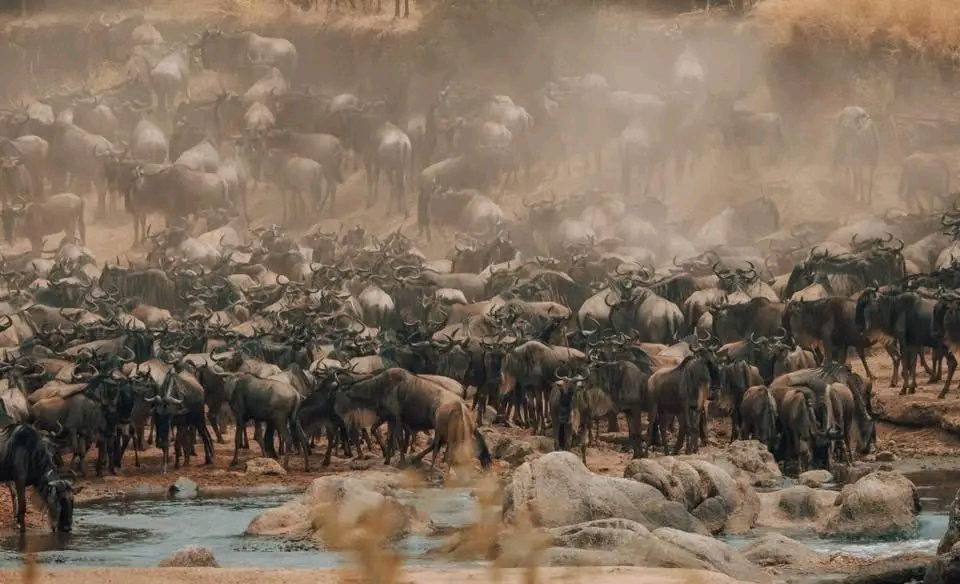
Many travelers struggle with this decision. Here's the honest comparison:
| Factor | Calving Season (Jan-Feb) | River Crossings (Jul-Sep) |
|---|---|---|
| Primary Drama | Births & predator hunts | Mass river crossings |
| Action Frequency | Constant, daily, reliable | Unpredictable (great or frustrating) |
| Tourist Density | Medium (busy but manageable) | High (peak season crowds) |
| Landscape | Open golden plains (stunning) | Green hills, riverine areas |
| Weather | Short rains possible, warm | Dry, dusty, cooler mornings |
| Photography | Better light, more variety | Epic single moments |
| Cost | High season pricing | Peak season (10-20% higher) |
| Accessibility | Easy (southern Serengeti) | Remote (northern Serengeti, fly-in) |
Our take: If you want guaranteed action and don't mind that it's not the single most dramatic moment (crossings), choose calving season. If you're willing to gamble on witnessing one of nature's greatest spectacles but accept you might wait hours for it, choose crossings. Both are incredible - just different flavors of incredible.
Practical Logistics
Getting There
From Arusha: 3-4 hour drive to Ndutu/southern Serengeti via Ngorongoro Conservation Area. Most safari operators include this transport.
Flying: Light aircraft can fly from Arusha to Lake Manyara airstrip (closest to Ndutu), then short game drive to camps. Costs $200-350 per person, saves time and road fatigue.
How Long to Stay
Minimum: 2 full days (3 nights). This gives you multiple game drives and decent odds of witnessing births and kills.
Ideal: 3-4 full days (4-5 nights). Action is so constant you won't get bored. More days = more diverse sightings, better photography, and time to just absorb the spectacle without feeling rushed.
Beyond 5 days: Only for serious wildlife photographers or researchers. The experience is intense but after 5 days, most travelers are ready for the next stop.
What to Pack
Layers (cool mornings, hot midday)
Neutral colors (khaki, olive, brown)
Wide-brimmed hat and sunscreen (open plains = serious sun exposure)
Binoculars (you'll use them constantly)
Camera with telephoto lens (see photography section)
Dust protection for electronics (ziplock bags, lens cleaning kit)
Extra camera batteries and memory cards
Rechargeable headlamp/flashlight
Building Your Complete Serengeti Itinerary
Calving season is spectacular, but most travelers combine southern Serengeti with other areas - Central Serengeti for year-round wildlife, Ngorongoro Crater for Big Five density, or northern sectors if visiting in July-September. Our Serengeti Safari Manual covers how to build the perfect multi-sector itinerary, costs, logistics, and the full Migration calendar.
The Bottom Line
Calving season offers something rare in wildlife viewing: reliable, intense, constant action. While river crossings are more famous, calving season delivers more actual wildlife drama per day than any other time of year.
You'll witness the full cycle of life in its rawest form. Births. First steps. Mothers protecting calves. Predators hunting. Death. Survival. All of it happening simultaneously across an epic landscape that stretches endlessly in every direction.
It's visceral, emotional, beautiful, and brutal. Some people cry. Some laugh. Everyone is transformed by it. This is nature without filters, without safety rails, without apology.
If you can visit the Serengeti in January or February, and especially if you can position yourself in Ndutu or the southern plains with a mobile camp, you're in for one of the world's greatest wildlife experiences.
“Calving season doesn't just show you the Migration. It shows you why the Migration exists, why it matters, and why protecting wild spaces is worth fighting for. You leave different than you arrived.”
Plan Your Calving Season Safari
Ready to experience January-February in the southern Serengeti? Start with the complete planning picture - our Serengeti Safari Manual covers all seasons, sectors, camps, and costs.
Read the Complete Serengeti Guide
Half a million calves. Three weeks. The entire circle of life on display. Now you know how to witness it.


