Northern Serengeti (Kogatende)
Camps, Crossing Points & Fly-In Logistics

Start with the Serengeti Safari Manual
This guide assumes you've read the Serengeti Safari Manual's sector comparison and decided Northern Serengeti fits your July-September dates. We're now getting tactical: which specific camp, which crossing point, and whether to fly or drive.
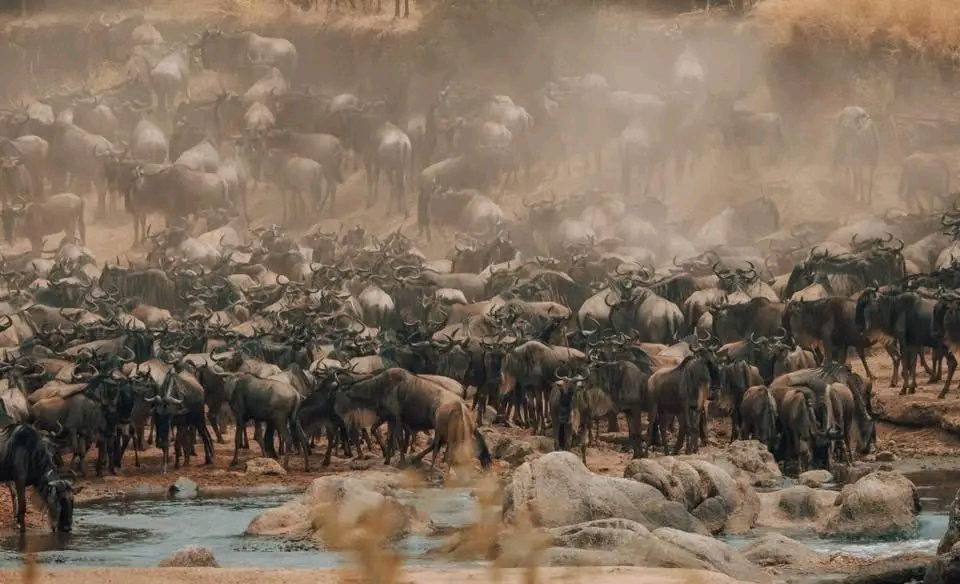
You've decided on Northern Serengeti for July-September Mara River crossings. Smart - this is Migration's headline act. Now you need decisions: which camp positions you best, which of the three main crossing points to target, and whether flying justifies $250-400 per person vs 6+ hours of brutal roads. This guide answers those tactical questions.
Booking Timeline: When to Reserve
As covered in the Serengeti Safari Manual's planning section, Northern Serengeti requires advance booking. The specifics:
August departures: Book 8 months ahead. Best mobile camps fill by January-February for August travel. If you're reading this in June hoping for August availability, you're late.
September departures: Book 6 months ahead. Still excellent crossings, 10-20% lower prices, slightly better availability.
July departures: Book 4-6 months ahead. Early crossings season, fewer crowds, good value.
Last-minute bookers get leftovers - poorly positioned camps, inflated prices, or sold-out dates. Northern Serengeti camps during crossing season book faster than any other Serengeti sector.
The Three Main Crossing Points
Our river crossings guide covers what crossings look like and what to expect. This section focuses on which specific points to target when positioned in Northern Serengeti:
Where Crossings Happen
1. Kogatende Crossing (Most Famous)
Location: Near Kogatende ranger post, central northern Serengeti
Why it's primary: Steepest banks (3-5 meter drops), most dramatic wildebeest leaps, heavy crocodile presence. Most mobile camps position within 15-30 minutes of here. Most photographed crossing location globally.
Trade-off: Popular = more vehicles during peak crossings (expect 10-15 safari vehicles at busy times).
2. Paradise Crossing (Less Crowded Alternative)
Location: West of Kogatende, 45-60 min from most camps
Why consider it: Gentler banks than Kogatende but still dramatic. Excellent crocodile sightings. Often less crowded because it requires longer drive from main camp cluster. Good when Kogatende gets too busy.
Best for: Early/late season (June or late September) when herds are arriving or departing.
3. Lamai Wedge Crossings (Most Remote)
Location: Far northeastern Serengeti, near Kenya border
Why it's special: Multiple crossing points in this area. Most remote positioning. Fewest vehicles. Excellent when herds move between Tanzania and Kenya (happens frequently July-September).
Requirement: Must stay at Lamai-specific camps (1-2 hour drive from Kogatende area). Worth it for solitude seekers willing to sacrifice convenience.
Your guide matters more than crossing point. Experienced guides track where crossings are happening daily via radio networks. They position you accordingly. This is why guide quality (which comes with reputable camps) beats obsessing over exact crossing point geography.
Which Camp to Book
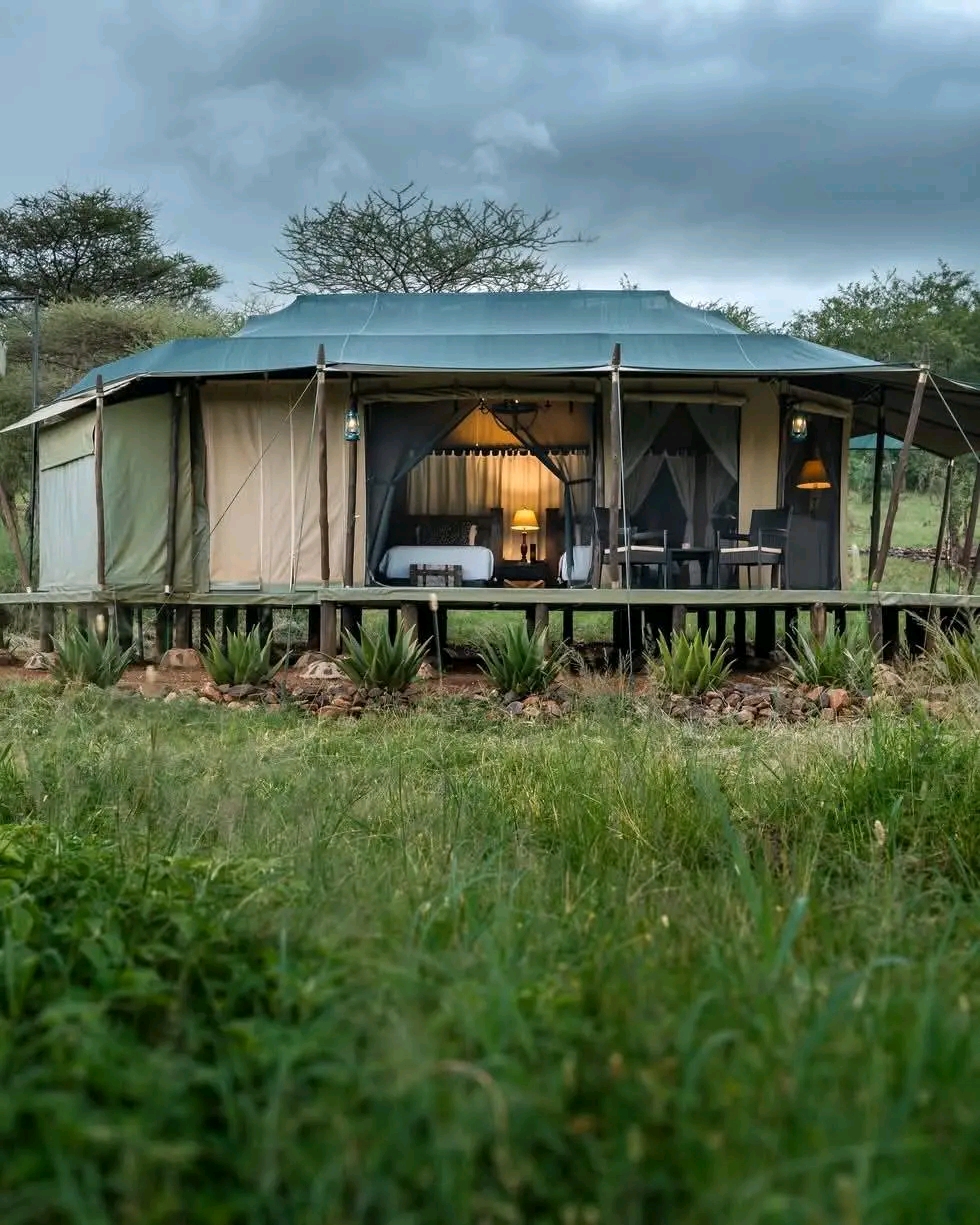
The Serengeti Safari Manual's accommodation section covers mobile vs permanent camps generally. For Northern Serengeti crossing season specifically: mobile camps win decisively. They position near active crossing points and move when herd patterns shift.
Top Mobile Camps (Best Positioning)
MOBILE
Nomad Lamai
Positioned in remote Lamai Wedge. Seasonal (July-Oct only). Fewer vehicles than Kogatende area. Excellent guiding reputation. For those prioritizing solitude over convenience.
$600-900/person/night
MOBILE
Ubuntu Migration Camp
Moves twice yearly to follow Migration. Well-positioned near Kogatende during crossing season. Solid value in the mobile camp category. Reliable operation.
$500-700/person/night
MOBILE
&Beyond Serengeti Under Canvas
Luxury mobile with premium service. Moves five times yearly. Excellent positioning, but you pay for the &Beyond brand. Worth it if budget allows.
$800-1,200/person/night
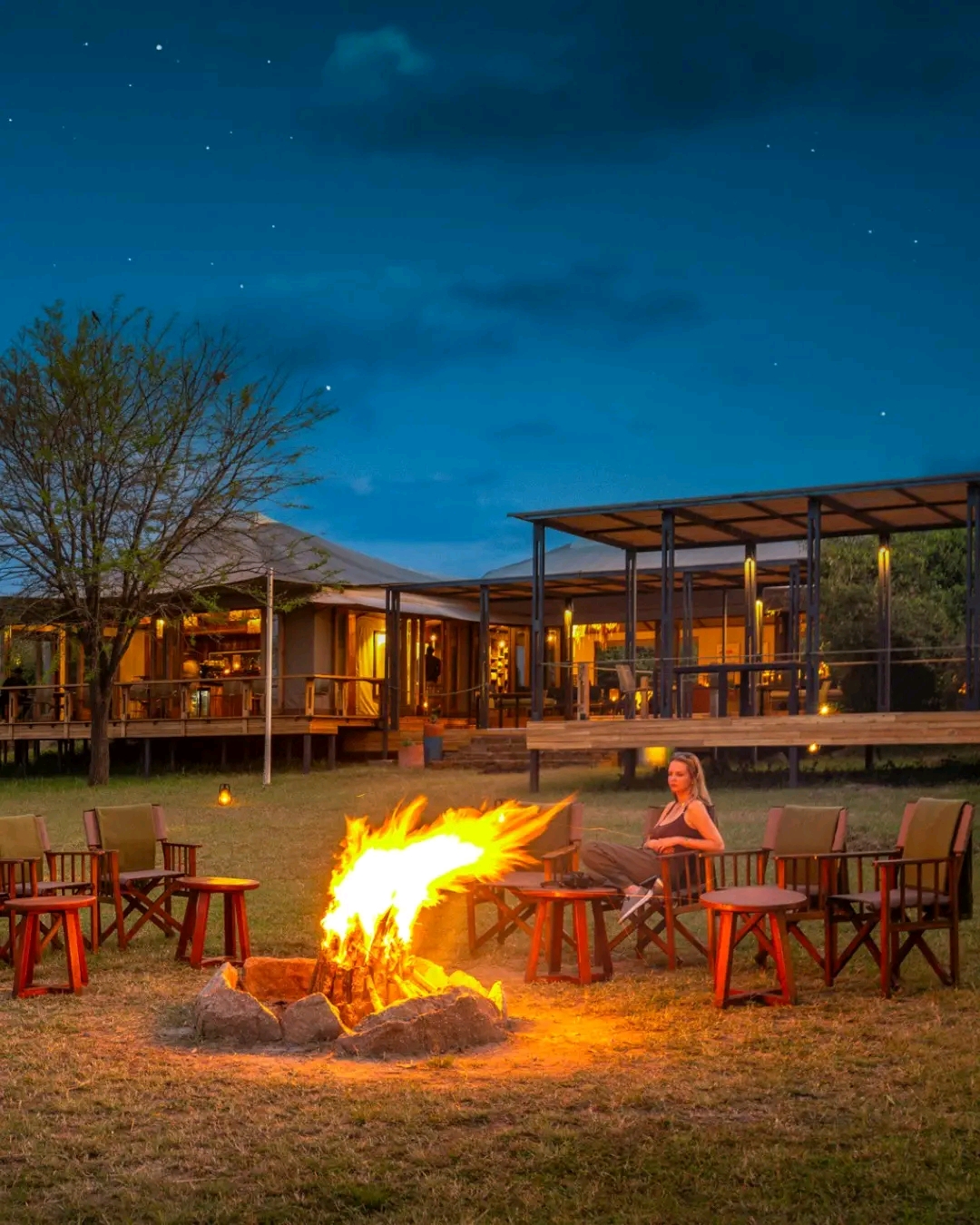
Permanent Options (If Mobile Camps Sold Out)
PERMANENT
Sayari Camp
Fixed location in northern Serengeti. Luxury build, year-round operation. Good when mobile camps are full. Trade-off: herds might not be nearby.
$700-1,000/person/night
PERMANENT
Mara Mara Tented Lodge
Permanent near Kogatende. Mid-range pricing. Comfortable but less flexible than mobile camps. Best value permanent option in the sector.
$400-600/person/night
Comparing Northern with Other Sectors?
The Serengeti Safari Manual has a complete four-sector comparison showing costs, accessibility, and best months for Northern, Central, Southern, and Western Serengeti. Use that to confirm Northern fits your itinerary.
Fly or Drive: The Critical Logistics Decision
Getting to Northern Serengeti from Arusha or Central Serengeti requires choosing between flying or driving. Here's the honest breakdown:
Your Two Options
✈ Flying (Recommended)
Route: Arusha → Kogatende/Lobo/Lamai airstrip
Duration: 1-1.5 hours
Cost: $200-400 per person per flight
Carriers: Coastal Aviation, Regional Air, Auric Air
Luggage: 15kg soft bags only
Why it wins: Saves 6-8 hours of rough roads, adds extra game drive day, spares your spine. Worth every dollar if budget permits.
Driving
Route: Central Serengeti → Northern Serengeti
Duration: 6-8 hours
Road: Bumpy dirt, dusty, slow
Cost: Included in safari vehicle package
Why consider it: Game viewing en route, no extra flight cost, works if you have 8+ days total and aren't rushed.
Reality: Brutal drive. Most regret not flying.
Cost-benefit heavily favors flying. That $200-400 flight buys you an entire day that would otherwise be lost to driving. That day can be spent on game drives. Plus your back will thank you. If you're spending $500-1,000/night on camps, spend the extra $400 to fly.
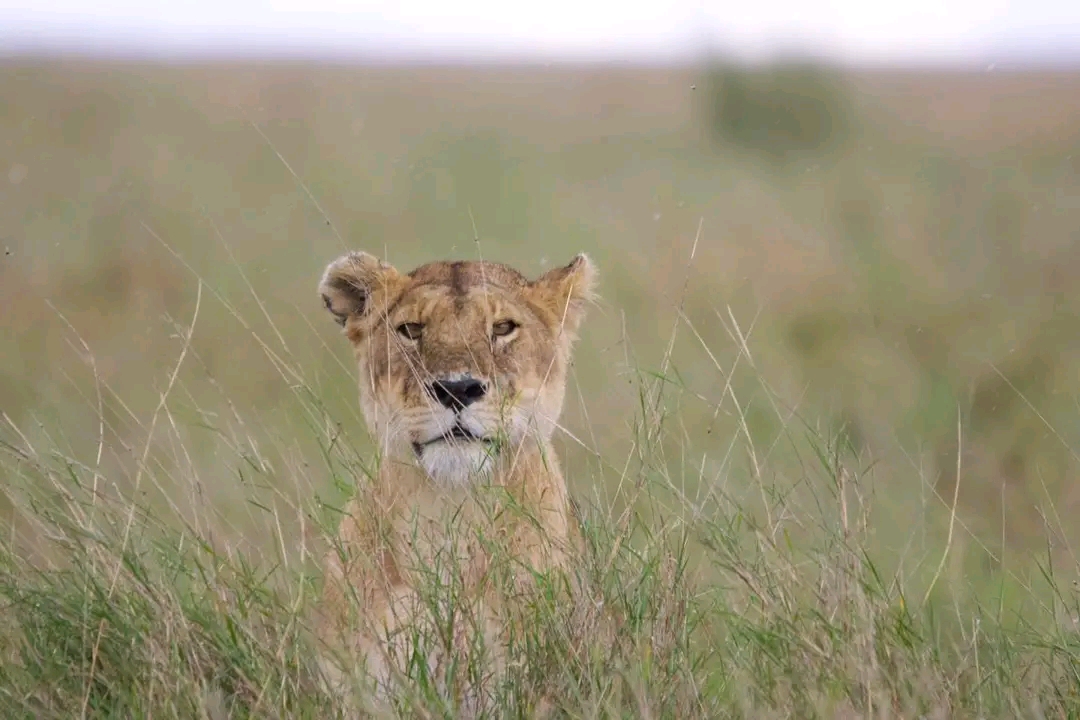
Northern Serengeti Airstrips:
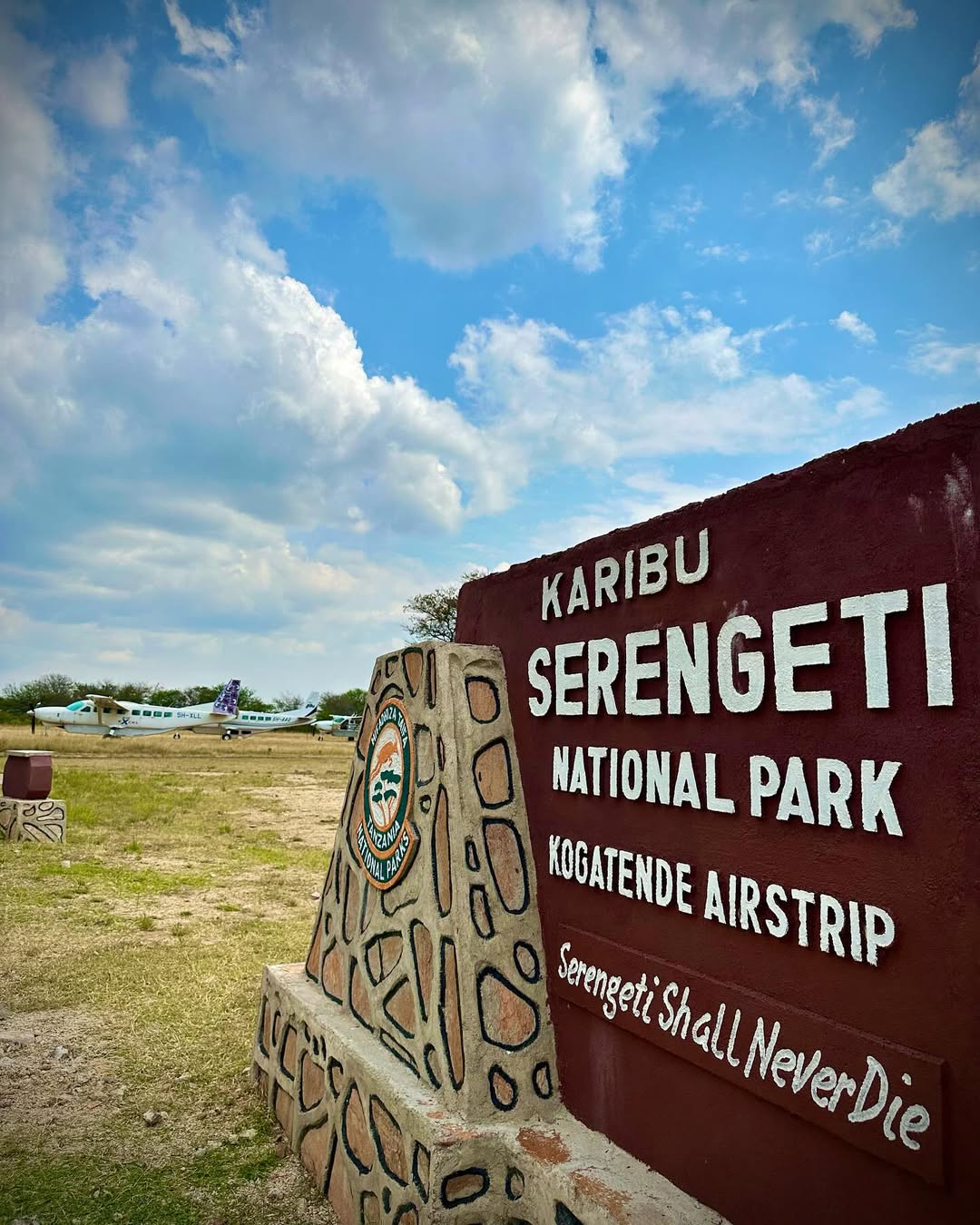
Kogatende Airstrip: Main airstrip, most flights, central location
Lobo Airstrip: Slightly south of Kogatende, some operators prefer it
Lamai Airstrip: Far northeast, only for Lamai Wedge camps
Camps arrange transfers from airstrips (typically 15-45 minutes depending on camp location).
How Long to Stay
As detailed in our river crossings guide, crossing sightings are unpredictable. More days = better odds.
Minimum: 3 nights (2 full days). Gives you two crossing attempts plus buffer for unpredictability.
Ideal: 4 nights (3 full days). Three full days dramatically improves crossing odds and allows exploring multiple crossing points without feeling rushed.
Most travelers combine: 3-4 nights Northern + 2 nights Central Serengeti, or 3 nights Northern + 2 nights Southern if visiting in late August/September.
Quick Tactical Checklist
Book 6-8 months ahead for August (4-6 months for July/September)
Choose mobile camp over permanent for best crossing positioning
Fly if budget allows ($200-400 saves entire day + your spine)
Pack 15kg soft bags for flight weight limits
Plan 3-4 nights minimum to account for crossing unpredictability
Trust your guide's crossing point decisions (they track daily via radio)
The Bottom Line
Northern Serengeti during crossing season is expensive ($500-1,200/night camps + $200-400 flights) and requires advance planning (6-8 months). But if you can make the logistics work, Mara River crossings deliver the Migration's most dramatic moment.
Key decisions: Mobile camp over permanent. Fly over drive. August for peak (book early) or September for value (slightly easier booking). 3-4 nights minimum.
The camps listed above are proven performers. The crossing points detailed will deliver if herds are present. The fly-in logistics are straightforward once you commit to the cost.
Now you have the tactical knowledge. The next step is booking - and booking soon, because these camps fill fast.
Complete Your Serengeti Planning
You know Northern Serengeti specifics. Now see how it fits into a complete Serengeti itinerary with sectors, costs, and full logistics.