Northern Circuit Tanzania Safari: The Only Guide You Need
Tanzania's Greatest Safari Loop

Most people come to Tanzania for the Serengeti. That's fine - it lives up to the hype. But here's what nobody tells you: the Serengeti is part of a loop. If you do this loop wrong, you'll spend ten hours a day being shaken like a cocktail in a dusty Land Cruiser, wondering why your back hurts and why you paid $500/day for this. If you do it right? It's the best trip of your life.
Why the Northern Circuit?
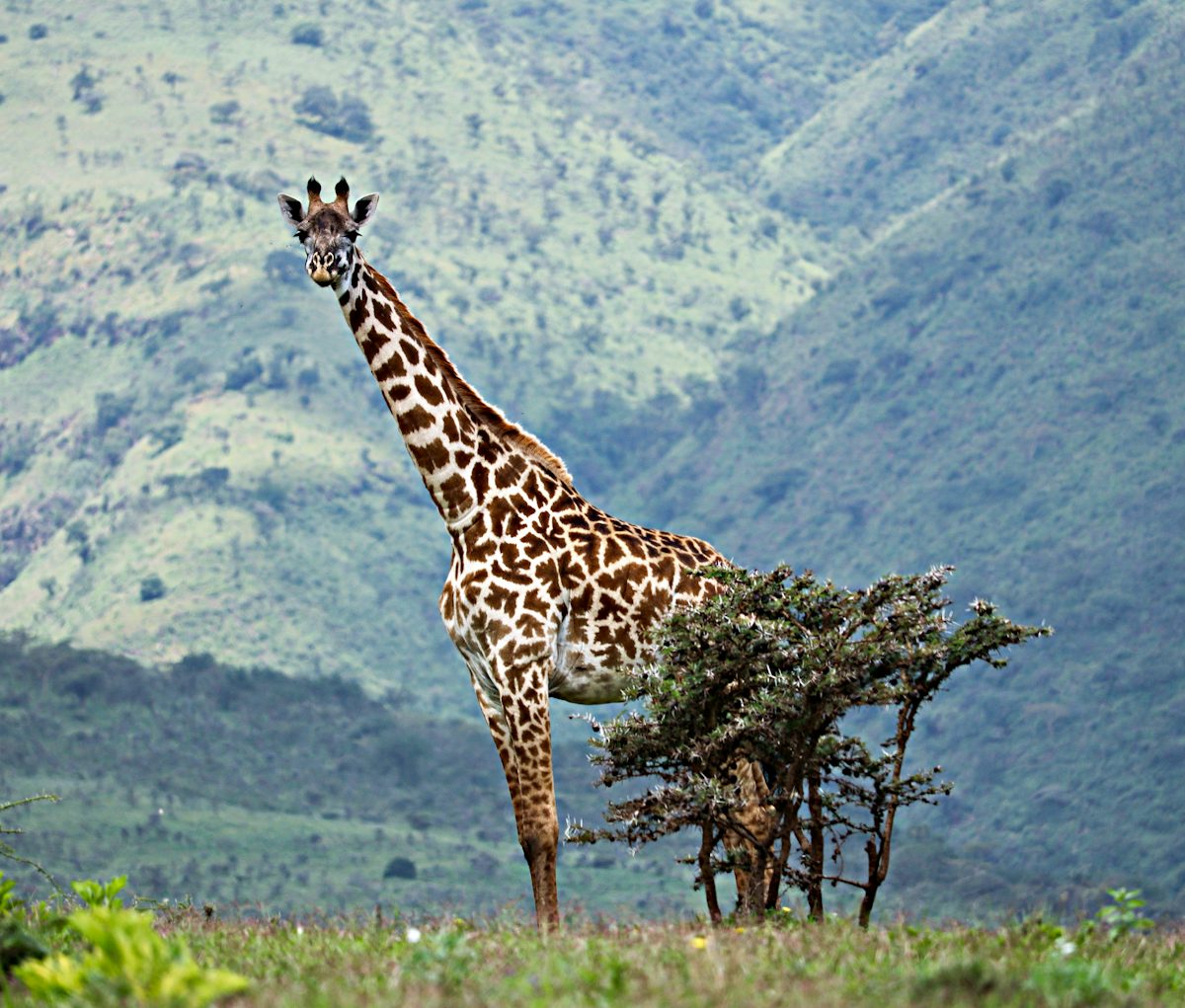
Tanzania has multiple safari circuits—the Southern Circuit, the Western Circuit, even coastal options. But when people say "Tanzania safari," 90% of them mean the Northern Circuit. This is where the greatest hits live:
Serengeti National Park — The endless plains, the Migration, the lions on kopjes.
Ngorongoro Crater — The world's largest intact volcanic caldera, packed with wildlife like a natural amphitheater.
Tarangire National Park — Elephant country. Baobab trees. Underrated and spectacular.
Lake Manyara — Tree-climbing lions (if you're lucky), flamingos, and dense green forests.
The Northern Circuit is a geographical loop starting and ending in Arusha, Tanzania's safari capital. Most operators design itineraries this way because the parks flow logically into each other. But "logical" doesn't mean easy, and it definitely doesn't mean cheap.
Northern Circuit at a Glance
5-10 Typical Days Needed
4 Major Parks
$350+ Average Daily Cost
Year-round Visitable
“The Northern Circuit isn't just Tanzania's greatest hits—it's one of the world's most concentrated wildlife experiences. Get the route right, and you'll understand why people come back year after year.”
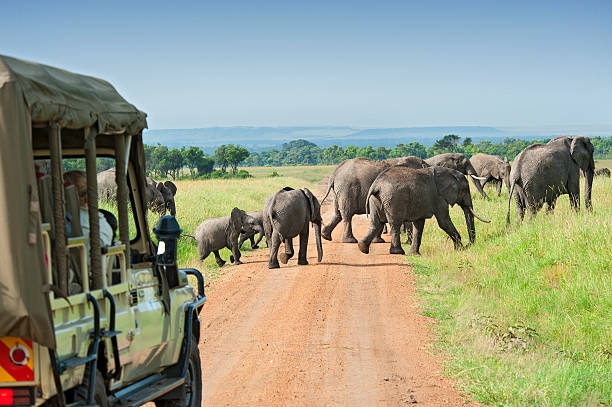
The Classic Loop: Understanding the Route
Here's the standard flow, the one that makes the most logistical sense:
The Northern Circuit Loop
ARUSHA
TARANGIRE
LAKE MANYARA
NGORONGORO
SERENGETI
ARUSHA
This loop can be done in reverse, but this direction minimizes backtracking and maximizes your time actually watching animals instead of staring at dust clouds.
Why This Order Works
Arusha → Tarangire (First): Easy warm-up. Only 2.5 hours on good roads. Tarangire acclimatizes you to safari rhythm without overwhelming you. Plus, if your flight lands in Kilimanjaro, this gets you into the action fast.
Tarangire → Lake Manyara: Short hop. Both parks are close together. Some itineraries skip Manyara entirely (more on that debate later), but if you include it, slot it here.
Lake Manyara → Ngorongoro: The dramatic ascent. You climb from the Rift Valley floor up to the crater rim. Stay at a lodge on the rim, wake up to views that don't look real.
Ngorongoro → Serengeti: This is the long one. 4-6 hours depending on route and stops. Bumpy. Dusty. But once you crest the ridge and the Serengeti opens before you - endless plains in every direction - you forget about your sore back.
Serengeti → Arusha (or fly out): You can drive back (long day), but many travelers fly from one of the Serengeti airstrips to Arusha or Kilimanjaro. Costs more, saves your vertebrae.
The counterclockwise option: Some operators run Arusha → Serengeti → Ngorongoro → Manyara → Tarangire → Arusha. This works if you're flying into the Serengeti or want to end on Tarangire's elephants instead of starting there. Both directions are valid; pick based on flights and lodge availability.
Parks at a Glance: The Comparison Table
Not all parks are created equal. Here's the honest breakdown:
| Park | Best For | Vibe | Must-See | Skip If... |
|---|---|---|---|---|
| Serengeti | The Migration, Big Cats, Endless Plains | Iconic, vast, can feel busy in hotspots | Migration river crossings (Jul-Oct), Kopje lions | You have <3 days total (not enough time) |
| Ngorongoro Crater | Guaranteed Big Five, Dense Wildlife | Amphitheater effect, lots of vehicles | Crater floor game drive (6 hours max allowed) | You hate crowds (it's the busiest) |
| Tarangire | Elephants, Baobabs, Underrated Gem | Relaxed, fewer tourists, beautiful | Elephant herds at Tarangire River | Never. Don't skip this one. |
| Lake Manyara | Tree-climbing Lions, Birdlife, Forests | Small, quick, can feel underwhelming | Flamingo flocks (seasonal), Hippo pools | You're on a tight budget/timeline |
Not a Fan of Crowds? Meet Mkomazi
While everyone crowds Ngorongoro, there's an underdog park with Black Rhinos, African Wild Dogs, and virtually zero tourists. Read our complete Mkomazi guide to discover Tanzania's best-kept secret.
The Money Talk: What a Northern Circuit Safari Actually Costs in 2026
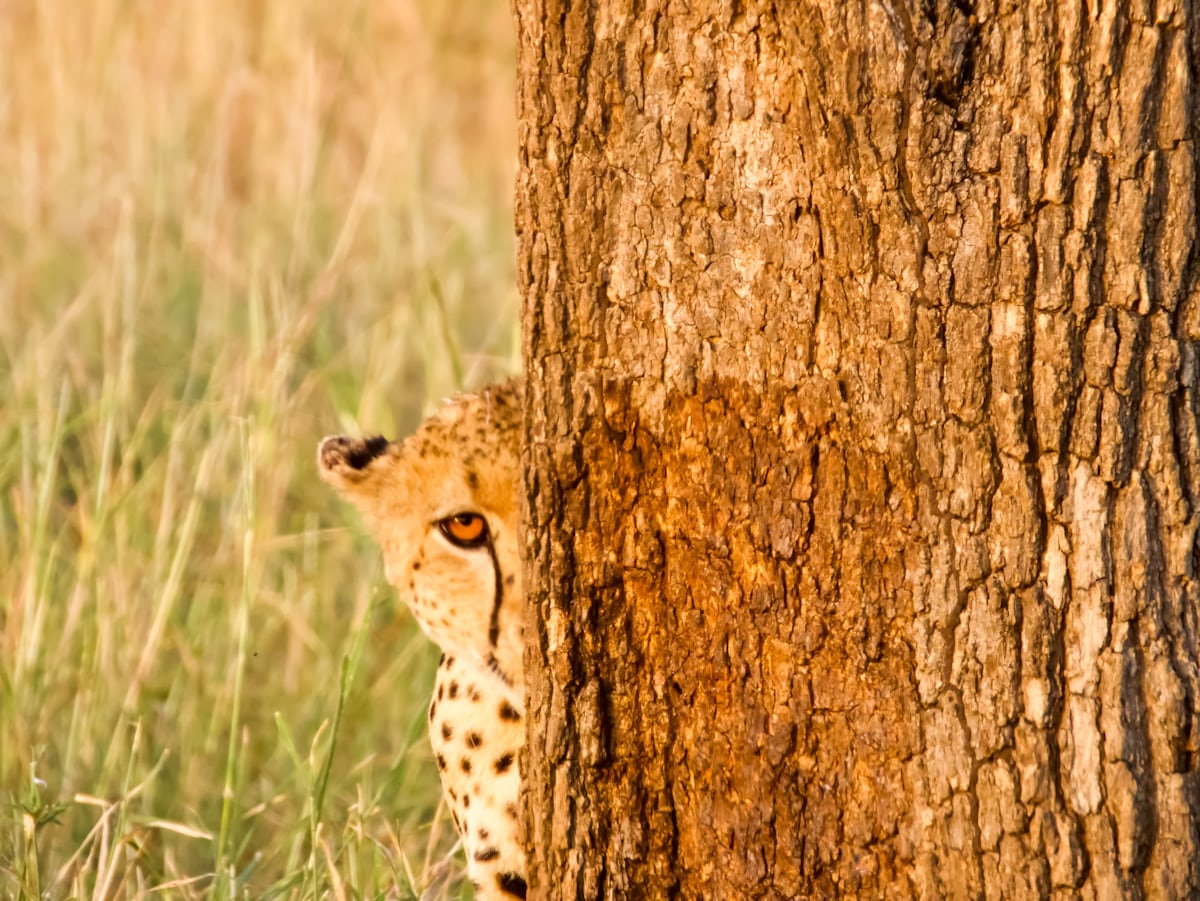
This is where dreams meet spreadsheets. Tanzania safari costs are not subtle. Let's break it down honestly, including the fees most blog posts conveniently forget to mention.
Park Fees (Per Person, Per Day — Including 18% VAT)
Serengeti National Park ~$83 USD
Ngorongoro Conservation Area ~$83 USD
Tarangire National Park ~$59 USD
Lake Manyara National Park ~$59 USD
The Big "Ouch" Most People Miss:
Ngorongoro Crater Service Fee (Per Vehicle) $295 USD
This is the crater descent fee. It's per vehicle, not per person, so it's split among your group - but if you're traveling solo or as a couple, this stings. Budget safari operators sometimes "forget" to mention this upfront. Now you know.
Sample 7-Day Safari Cost Breakdown (Mid-Range):
Park Fees (2 days Serengeti, 1 day Ngorongoro, 1 day Tarangire): ~$475 per person
Crater Service Fee (split 4 ways): ~$74 per person
Accommodations (mix of lodges/tented camps): ~$150/night = $1,050
Safari Vehicle & Guide (7 days): ~$1,200
Meals: ~$300
TOTAL: ~$3,100 per person for 7 days
Luxury safaris? Double that. Budget camping safaris? You can get under $2,000 if you rough it, share vehicles, and skip premium lodges. But quality matters - cheap safaris often mean old vehicles, inexperienced guides, and disappointment.
The Complete Safari Budget Guide
Want the full financial breakdown? Our comprehensive cost guide covers budget vs mid-range vs luxury safaris, hidden fees, tipping culture, and how to avoid getting ripped off.
Drive Times: The Roads Nobody Talks About
Safari brochures show you lions. They don't show you the six hours of bumpy dirt roads getting to the lions. Let's fix that with real drive times and honest road conditions:
Arusha → Tarangire
2.5 hours
Easy paved road most of the way. Smooth introduction to safari life. Bring snacks for the drive.
Tarangire → Lake Manyara
1.5 hours
Quick hop on decent roads. Some operators skip Manyara and go straight to Ngorongoro—adds 1-2 hours total.
Lake Manyara → Ngorongoro Rim
1.5-2 hours
Dramatic ascent from Rift Valley floor. Road climbs through villages and farmland. Views are spectacular.
Ngorongoro → Serengeti
4-6 hours
The long one. Bumpy dirt roads. Dusty. But the Serengeti reveal at the end makes it worth every rattle. "African massage."
Serengeti → Arusha (Direct)
7-8 hours
Only masochists drive this in one go. Most people fly from Serengeti airstrips to Arusha (1 hour flight, $200-300).
Inside Serengeti (Camp to Camp)
2-4 hours
The Serengeti is HUGE (14,763 km²). Moving between areas (Seronera to Northern Serengeti) takes time. Plan accordingly.
Fly-in vs Drive: Flying into the Serengeti from Arusha (or flying out at the end) saves your back and adds 1-2 extra days of actual safari time instead of road time. Costs $200-400 per person per flight. Worth it if your budget allows. Your chiropractor will thank you.
Road Reality: Tanzania's park roads are rough. Even "good" dirt roads will jostle you. Bring a cushion for your seat. Take motion sickness meds if prone. Dust gets everywhere—bring wipes, keep camera gear sealed. This is Africa, not Disneyland.
When to Go: Timing Your Northern Circuit Safari
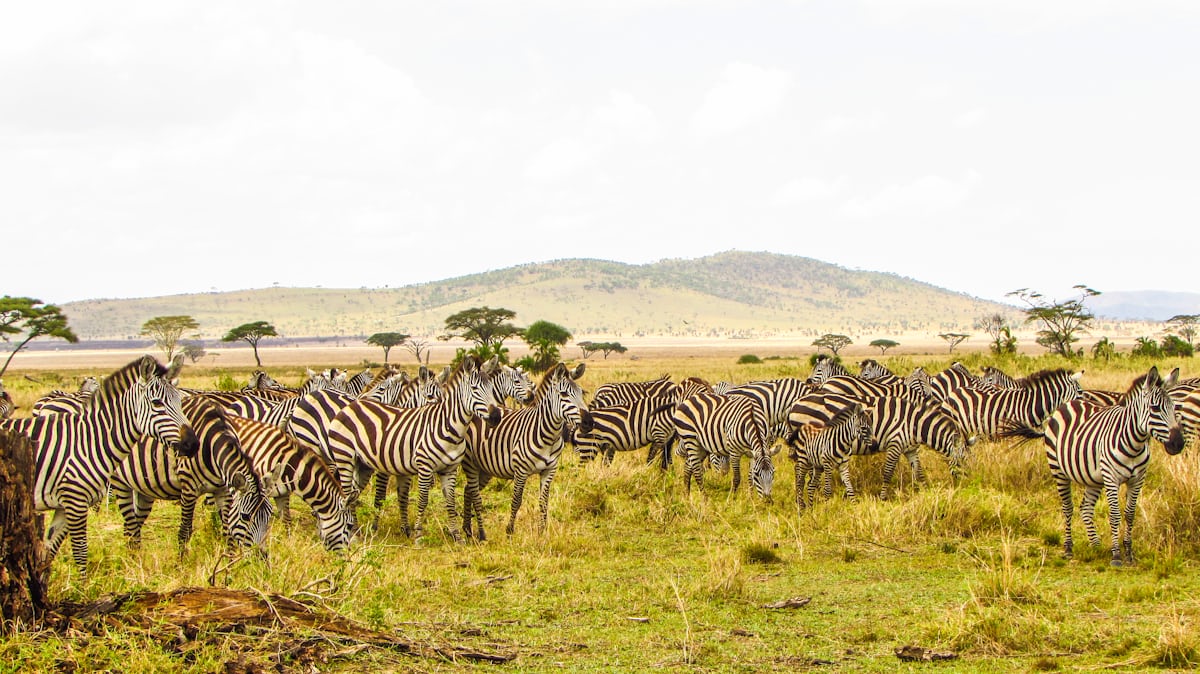
Tanzania is visitable year-round, but your experience will vary wildly based on timing. Here's the honest seasonal breakdown:
Peak Season: June - October
Best for: The Migration, Big Five, Classic Safari
Why it's prime: Dry season. Animals concentrate around water sources, making sightings easier. The Serengeti Migration's dramatic river crossings happen in the northern Serengeti (Mara River) July-October.
Crowds: This is peak tourist season. Expect more vehicles, higher prices, and lodges booked months ahead.
Weather: Sunny, dry, dusty. Temperatures comfortable (15-27°C). Pack layers for cool mornings.
Calving Season: January - February
Best for: Predator Action, Baby Animals, Southern Serengeti
Why it's special: The "Short Dry" season. Half a million wildebeest calves are born in the southern Serengeti plains. Predators follow - lion, cheetah, leopard hunting is at its peak.
Crowds: Busy but not as insane as July-August. Easier to find last-minute bookings.
Weather: Warm and dry. Can get very hot midday (30°C+). Occasional short rains possible.
Green Season: March - May
Best for: Budget Safaris, Fewer Tourists, Dramatic Skies
Why consider it: The "Long Rains." Luxury lodges drop prices 30-50%. Parks are empty. Landscape transforms - everything turns green, wildflowers bloom, baby animals everywhere.
Trade-offs: Afternoon rains (usually short storms). Some roads become muddy and challenging. Grass grows tall, making spotting harder. Some camps close.
Who it's for: Budget travelers, photographers chasing dramatic storm skies, birders (migratory species arrive), and anyone who values solitude over guaranteed wildlife density.
Sample Itineraries: Making the Loop Work for You
There's no one "perfect" Northern Circuit itinerary. It depends on your time, budget, and priorities. Here are three proven frameworks:
The Classic 7-Day Loop
Best for: First-Timers, Balanced Experience
Day 1: Arusha arrival, overnight in town
Day 2: Tarangire National Park (full day), overnight at/near park
Day 3: Lake Manyara morning drive, transfer to Ngorongoro, overnight on crater rim
Day 4: Ngorongoro Crater floor (6-hour game drive), overnight on rim or transfer toward Serengeti
Day 5-6: Serengeti (2 full days), overnight in Central Serengeti (Seronera area)
Day 7: Morning Serengeti drive, fly to Arusha or long drive back
Why it works: Hits all major parks without feeling rushed. Two days in Serengeti gives you real immersion. Balances drive time with game viewing.
The Extended 10-Day Explorer
Best for: Serious Wildlife Enthusiasts, Migration Chasers
Days 1-2: Tarangire (2 days for thorough exploration)
Day 3: Lake Manyara
Days 4-5: Ngorongoro (crater + highlands walking safari)
Days 6-9: Serengeti (4 days allows you to visit multiple regions - Central, Northern, or Western depending on Migration location)
Day 10: Fly to Arusha, onward travel
Why it works: Four days in Serengeti lets you chase the Migration, explore different ecosystems, and not feel rushed. More time = better sightings and less "African massage."
The Budget-Conscious 5-Day Essentials
Best for: Limited Time/Budget, First Safari
Day 1: Arusha to Tarangire, overnight
Day 2: Tarangire morning, drive to Ngorongoro, overnight on rim
Day 3: Ngorongoro Crater, transfer to Serengeti, overnight
Day 4: Full day Serengeti
Day 5: Serengeti morning drive, return to Arusha (long drive or fly)
Trade-offs: Skips Lake Manyara. Minimal Serengeti time. More driving, less game viewing. But it's doable and you still hit the big three (Tarangire, Ngorongoro, Serengeti).
The underrated add-on: If you have 8-9 days and want to go deeper, consider adding a night in the Ngorongoro Highlands or a day trip to Olduvai Gorge (the "Cradle of Mankind"). These cultural/archaeological side trips add dimension beyond pure wildlife viewing.
Tarangire vs Lake Manyara: The Great Debate
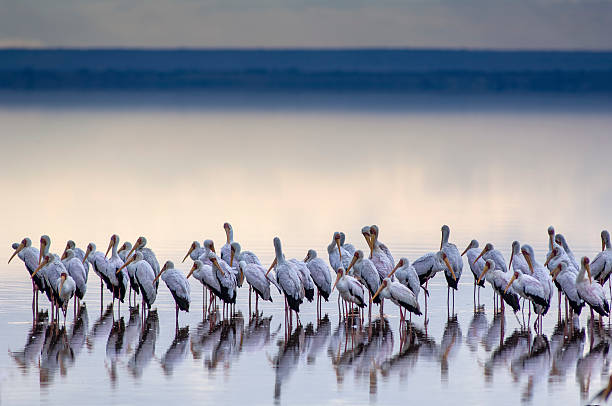
Here's a question that splits safari planners: Should you include both Tarangire and Lake Manyara?
The "Yes" Camp Says:
They're close together - easy to visit both in 2 days
Manyara offers different ecosystems (groundwater forest vs Tarangire's open woodland)
Tree-climbing lions at Manyara are unique (though not guaranteed)
Completionist satisfaction
The "Skip Manyara" Camp Says:
Manyara is small and can feel anticlimactic after Tarangire/before Ngorongoro
Wildlife density lower than other parks
Saves you ~$59 in park fees per person
That extra day is better spent in Serengeti or Tarangire
Our Take: If you have 7+ days, include Manyara - it's on the route anyway. If you're doing 5-6 days and need to choose, spend the extra time in Tarangire or Serengeti instead. Tarangire's elephant herds and baobab landscapes deliver more consistent "wow" moments. Manyara is lovely but not essential.
Tarangire: The Most Underrated Park in Tanzania
Why Tarangire deserves more than a quick stopover. Elephant superpods, ancient baobabs, and why this park might be your favorite of the entire circuit.
Logistics: What You Need to Know Before You Go
Do You Need a Guide? (Yes. Yes You Do.)
Tanzania doesn't allow self-drive safaris in most northern circuit parks. You must hire a registered safari company with a licensed guide and 4x4 vehicle. This isn't a cash grab - it's about safety, conservation, and ensuring you actually find animals instead of driving aimlessly.
What a good guide does:
Spots animals you'd never see (leopards in trees, lions in tall grass)
Knows where animals congregate based on season and recent sightings
Educates you on behavior, ecology, conservation
Communicates with other guides via radio to locate rare sightings
Handles all park logistics, fees, and regulations
Choosing a Safari Operator: This is the most important decision you'll make. Check TripAdvisor reviews, ask about vehicle condition (pop-up roof 4x4s are standard), confirm guide qualifications, and get everything in writing. Budget operators cut corners on vehicle maintenance and guide experience. Mid-range and up usually deliver consistent quality.
Where to Stay: Lodges, Tented Camps, or Camping?
Luxury Lodges ($400-1,200/night): Infinity pools, gourmet meals, king beds, en-suite bathrooms. You'll stay outside park boundaries or at premium concessions. Examples: Four Seasons Serengeti, Ngorongoro Crater Lodge.
Mid-Range Tented Camps ($150-400/night): Comfortable canvas tents on platforms, hot showers, decent food. Inside or near parks. Examples: Kati Kati Tented Camp (Serengeti), Eileen's Trees Inn (Ngorongoro area). Best value for most travelers.
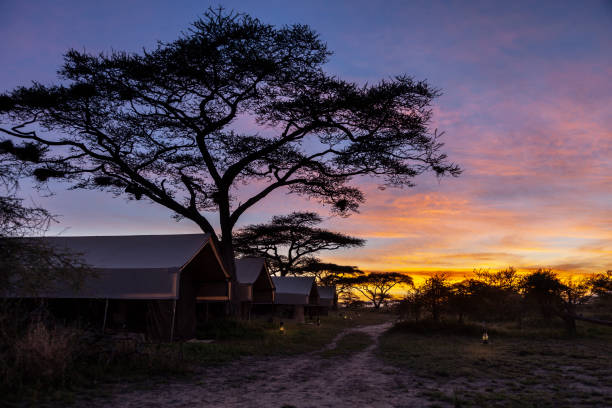
Budget Camping ($30-80/night): Public or special campsites with basic facilities. Bring/rent camping gear. Meals cooked by your guide or camp staff. Adventurous, affordable, but you'll hear hyenas at night (thrilling or terrifying, depending on your perspective).
Booking Timeline: For peak season (July-October), book lodges and safari operators 4-6 months ahead. Popular camps fill fast. Green season (March-May)? You can book 4-6 weeks out and snag deals. Shoulder months (November, February-early March) offer the best balance of availability and pricing.
What to Pack (The Essentials Nobody Mentions)
Neutral-colored clothing (khaki, olive, brown - not bright colors that spook animals)
Layers (mornings are cold, midday scorching, evenings cool)
Good binoculars (8x42 or 10x42 - animals aren't always close)
Camera with telephoto lens (200mm minimum, 400mm+ ideal)
Dust protection for electronics (ziplock bags work)
Sunscreen, hat, sunglasses (equatorial sun is brutal)
Cushion or lumbar support (seriously - long drives on rough roads)
Headlamp (camps often have limited lighting)
Cash in small bills (for tips, sodas at camps, craft purchases)
Beyond the Big Four: Hidden Gems and Add-Ons
The classic loop is Tarangire → Manyara → Ngorongoro → Serengeti. But the Northern Circuit has underrated options worth considering:
Mkomazi National Park
Tanzania's best-kept secret with Black Rhinos, African Wild Dogs, and zero crowds. Perfect stopover if driving between Arusha and the coast.
Empakaai Crater Walking Safari
Ngorongoro's lesser-known crater. No vehicles allowed - you hike down to a flamingo-filled lake. Stunning and surreal.
Olduvai Gorge: The Cradle of Mankind
Fossil site where some of humanity's oldest ancestors were discovered. Fascinating archaeological museum between Ngorongoro and Serengeti.
The Honest Verdict: Is the Northern Circuit Worth It?
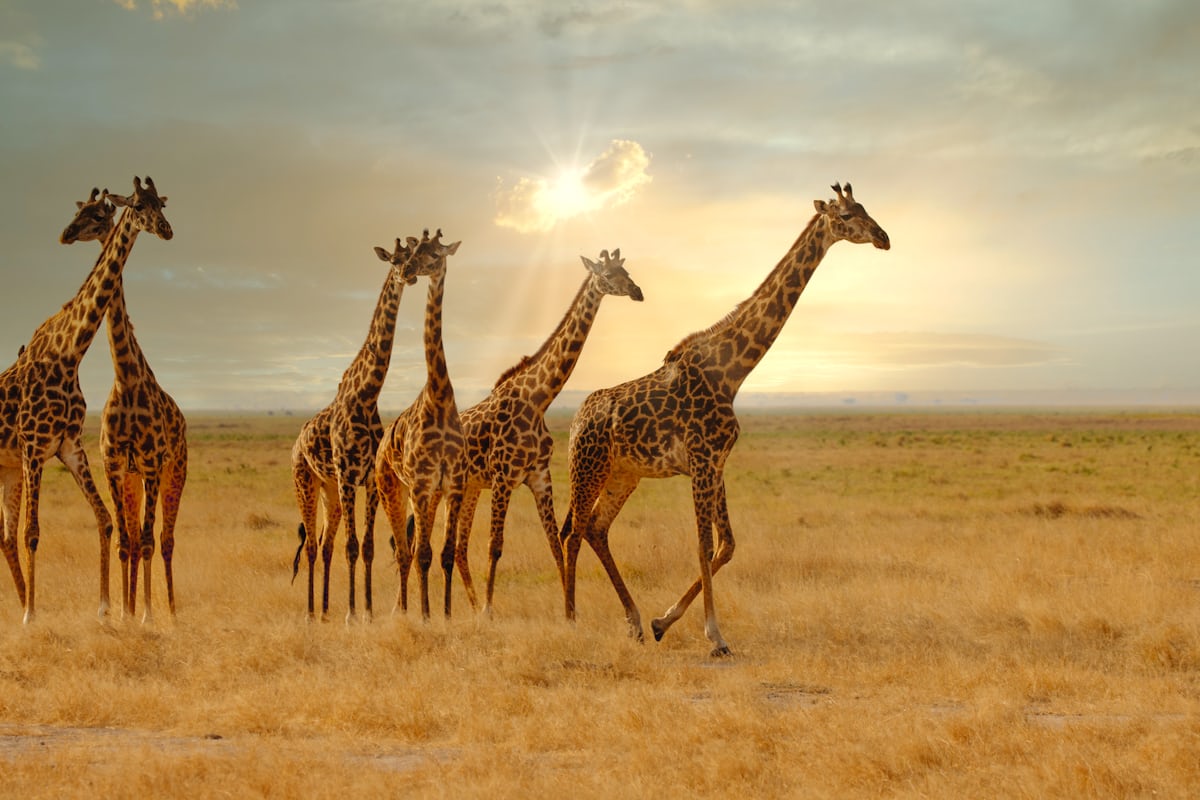
Let's be real: a Northern Circuit safari is expensive, physically demanding (those roads!), and requires planning. So is it worth the investment?
Absolutely. Unequivocally. Yes.
This is one of Earth's most concentrated wildlife experiences. Where else can you watch a lion pride hunt at sunrise, see elephants against baobab silhouettes by midday, and fall asleep to hyena calls echoing across the savanna? The Serengeti alone justifies the trip. The Ngorongoro Crater is one of the world's natural wonders. Tarangire is beautiful in ways that surprise people who expected "just elephants."
Yes, it costs money. Yes, you'll get dusty and sore. Yes, you'll wish you'd budgeted more days. But you'll also witness moments that photographs can't capture and words can't quite describe. You'll understand why people come back year after year, chasing that feeling of watching a cheetah sprint across open plains or a hippo yawn in a crater lake or a million wildebeest moving like a living river across the landscape.
“The Northern Circuit isn't just a safari. It's a reset button for your perspective on what it means to be alive on this planet. Plan it right, and it'll change you.”
Done with the Dust?
After a week in a 4x4, you'll be covered in red soil and dreaming of turquoise water. Most travelers head straight to Zanzibar to wash it all off. White sand beaches, spice-scented breezes, and zero alarm clocks.